
Mold Inspection in Amityville, NY
When the Bay Comes In, Mold Follows Here's What to Do About It

Hear from Our Customers
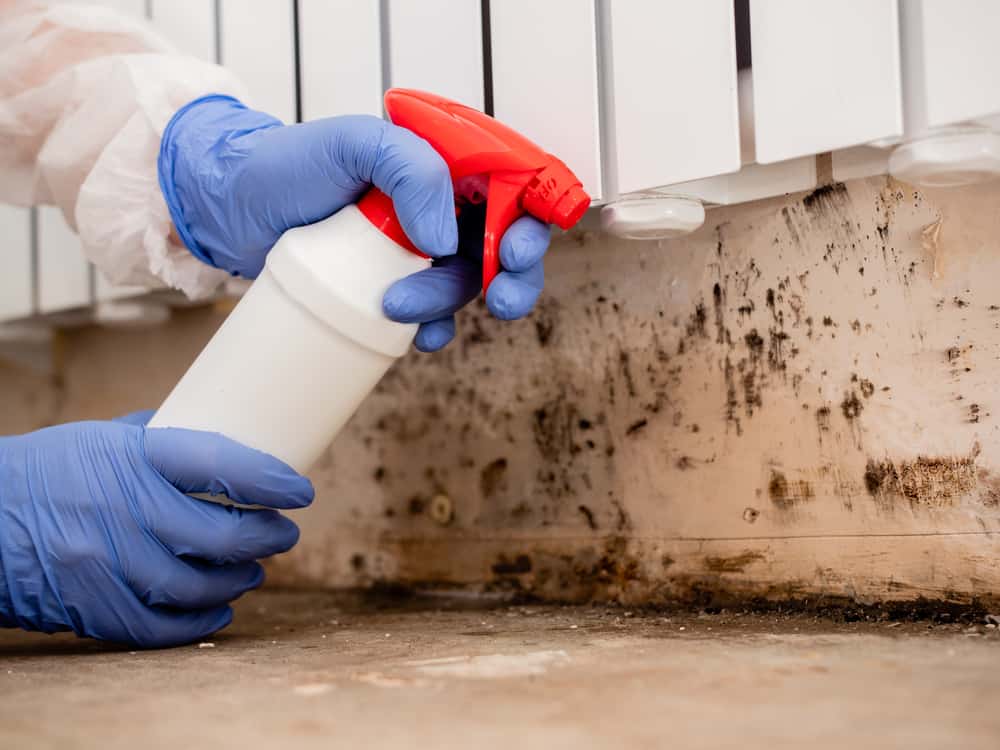
Residential Mold Testing in Amityville, NY
Most homeowners in Amityville don’t call about mold until something’s already wrong a smell they can’t place, a family member with symptoms that won’t quit, or a basement that flooded two years ago and was never fully checked. By that point, the mold has had time to spread well beyond what you can see.
A thorough mold inspection tells you where the growth is, what type it is, how far it’s traveled, and what’s feeding it. That last part matters most. Without identifying the moisture source whether it’s bay humidity working through an aging building envelope, groundwater pushing through clay soil into your foundation, or a slow roof leak that’s been saturating your attic insulation any cleanup you do is temporary.
Amityville’s waterfront character creates conditions that most inspection companies aren’t fully prepared for. The canal network, the tidal fluctuation along the Great South Bay, the older housing stock along Ocean Avenue and the bayfront corridor these aren’t abstract risk factors. They’re the specific reasons mold problems in Amityville tend to be more stubborn and more hidden than in communities further inland. Knowing exactly what you’re dealing with, backed by lab results, is the only way to make a decision you won’t regret.
Mold Inspection Company Serving Amityville, NY
We’ve been operating on Long Island for 31 years, based out of West Babylon the community directly next door to Amityville, within the same Town of Babylon. That proximity isn’t incidental. It means the team we dispatch to your Amityville home knows this area the South Shore flooding patterns, the older homes along the bayfront, the way Great South Bay humidity behaves differently from what you’d find ten miles inland.
Richard Peterson holds NY State licenses for both mold assessment and mold remediation, and every technician on our team carries IICRC certification not just the owner. That’s a company-wide standard, not a credential that stops at the top.
We handle the full scope: inspection, remediation, water damage restoration, and reconstruction if it comes to that. You won’t be handed off to a subcontractor or left coordinating multiple vendors after the report lands. One team, one chain of accountability, from the first call through the final clearance test.
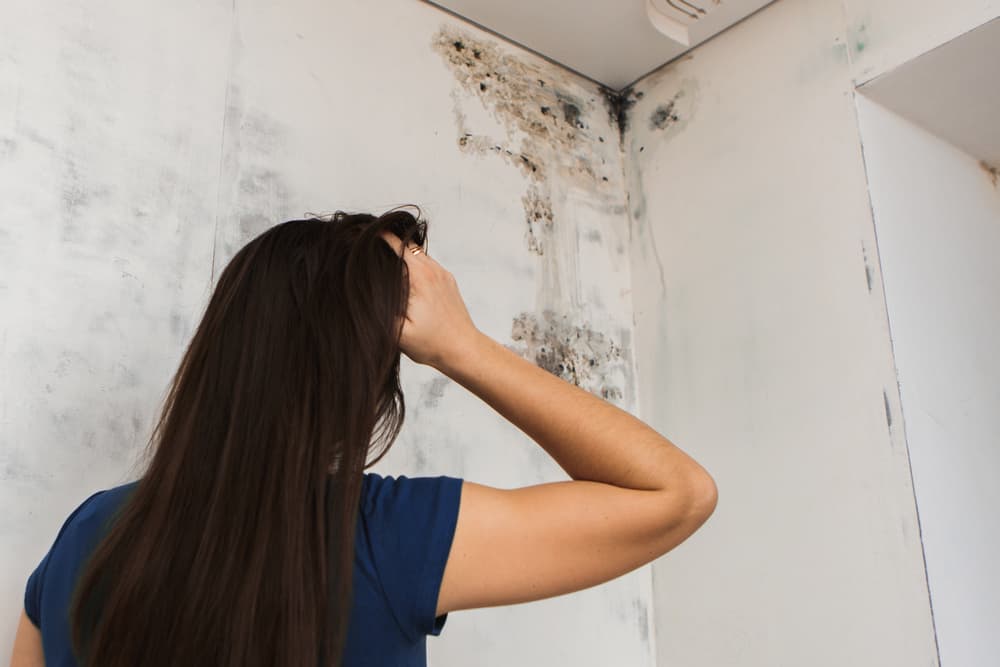
How Mold Assessment Works in Amityville, NY
The inspection starts before anything is touched. Our technician does a full walkthrough to identify visible signs of mold, water staining, and areas of concern paying particular attention to basements, crawl spaces, and attic spaces, which are the most common problem zones in Amityville’s older housing stock. An outdoor air sample is collected first to establish a baseline, so the lab results have a real comparison point rather than an arbitrary standard.
From there, air sampling captures airborne spore counts throughout the home, and surface swab samples are taken from any areas showing visible growth or discoloration. A calibrated moisture meter is used to measure moisture levels in walls, floors, and ceilings including areas that look dry. This is where infrared thermal imaging becomes critical. In a bayfront home where moisture may have been working its way through the building envelope for years, the camera detects temperature differentials that point to hidden moisture behind surfaces you’d never think to open up.
Everything collected goes to a certified lab. When the results come back, you receive a written report in plain language what was found, where it is, what type of mold is present, and what the recommended next steps are. If remediation is needed, New York State law requires that the assessment and remediation be handled by separately licensed parties, and we hold both licenses so the transition from inspection to action is straightforward, not a logistical puzzle.
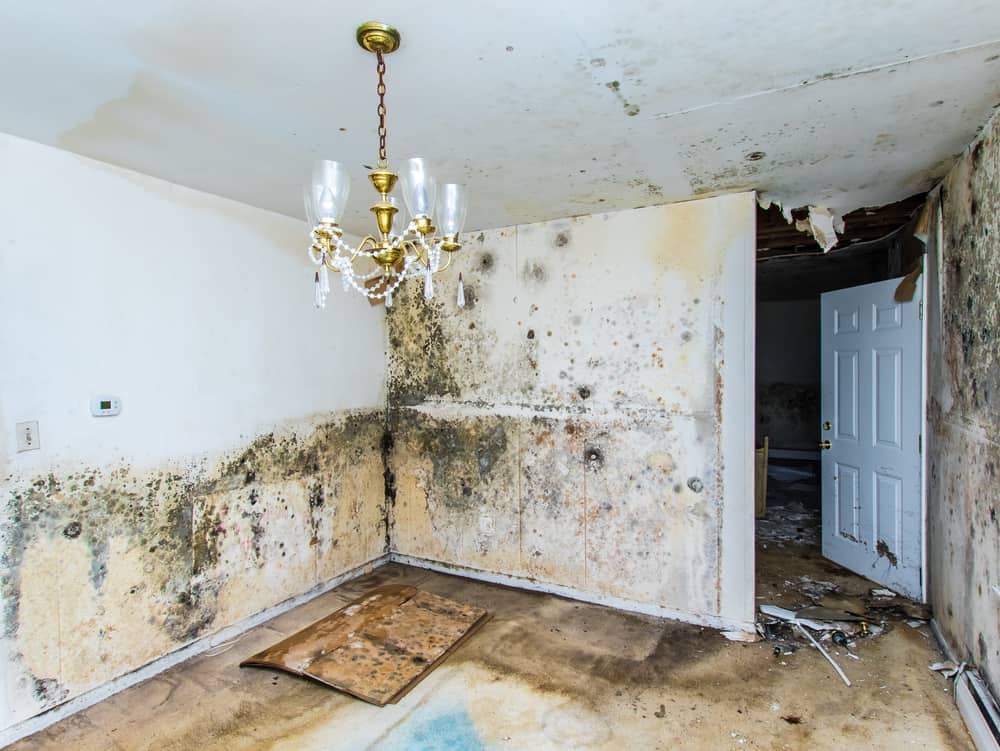
Ready to get started?
Indoor Air Quality Testing for Mold in Amityville, NY
Every mold inspection we conduct in Amityville covers the full picture not just the spots you’re already worried about. Air sampling for airborne spore counts, surface swab sampling for visible or suspected growth, moisture level measurement throughout the property, and infrared thermal imaging to find what’s hiding behind walls and under floors. An outdoor control sample is collected at every inspection so your indoor results are compared to actual external conditions, not a generic benchmark.
You also get a complete photographic record of every mold source identified, plus a written damage assessment and a detailed report you can share with your insurance carrier, your real estate attorney, or a contractor. For Amityville homeowners navigating a flood insurance claim which is a real and recurring situation in the bayfront zone and along the canal corridors that documentation is the difference between a supported claim and a disputed one.
Because Amityville sits within Suffolk County’s coastal flood zone, the Village’s own Flood Damage Prevention ordinance (Chapter 88) acknowledges the ongoing exposure to storm surge and tidal flooding that affects properties throughout Amityville. We understand that regulatory context and document findings in a way that holds up when it matters during real estate transactions, insurance claims, or remediation planning. If the inspection reveals a problem that needs to be addressed, the path forward is clear and handled by our licensed team.
How do I know if my Amityville home has mold after a flooding event?
The honest answer is that you often can’t tell without testing. Mold can begin developing within 24 to 72 hours of water intrusion, and it frequently establishes itself inside wall cavities, under subfloors, and behind insulation long before it’s visible or produces a noticeable odor. By the time you smell something musty or see discoloration on a surface, the growth behind that surface is usually more extensive than what’s showing.
In Amityville specifically, this risk is compounded by the village’s flood history. Properties south of Sunrise Highway the bayfront zone, the canal corridors, the streets that saw flooding during Sandy are the most likely to have experienced water intrusion that wasn’t fully dried and inspected afterward. If your home was affected by any flooding event and you haven’t had a professional mold inspection since, air sampling and moisture measurement are the only reliable way to confirm whether a problem exists and where it’s concentrated.
What does a professional mold inspection in Amityville, NY typically cost?
Mold inspection costs on Long Island generally run between $300 and $1,000 depending on the size of the property and the scope of testing required. For a standard single-family home in Amityville, most inspections fall somewhere in the middle of that range. If additional sampling points are needed for example, in a home with multiple flood-affected areas, a finished basement, and an attic that hasn’t been checked the cost may be toward the higher end.
It’s worth keeping that number in perspective. Amityville’s median home value is around $585,000. A mold problem that goes undetected and undisclosed during a real estate transaction or that worsens because it wasn’t caught early can reduce a property’s value by 20 to 37 percent. The inspection is the least expensive part of this equation by a significant margin. What you’re really paying for is the information that lets you make a financially sound decision, whether you’re buying, selling, or simply protecting the home you’ve lived in for years.
Does mold inspection in Amityville require a New York State licensed assessor?
Yes and this is worth understanding before you hire anyone. Since January 1, 2016, New York State law has required all mold assessors and mold remediators to hold licenses issued by the NY Department of Labor. These are separate licenses, and a company performing both assessment and remediation must hold both. You can verify any provider’s license status through the NY DOL’s public database before signing anything.
This requirement exists for a reason. Mold assessment involves collecting samples, interpreting lab results, and producing a written report that may be used for insurance claims, real estate disclosures, or legal documentation. An unlicensed inspector’s findings carry no legal weight and may not hold up when you need them most. We hold both the Mold Assessor license and the Mold Remediator license verifiable, current, and applicable to every inspection we conduct in Amityville and throughout Suffolk County.
Can mold grow inside walls even if I don't see or smell anything?
Yes, and this is one of the more common misconceptions that leads homeowners to delay getting an inspection. Mold doesn’t need to be visible or odorous to be present in significant concentrations. It can colonize the interior face of drywall, the back side of paneling, inside insulation batts, and along wood framing all without producing a smell detectable from the living space, especially if the affected area is sealed behind a finished wall.
In Amityville’s older homes particularly those built in the 1920s and earlier along the bayfront and Ocean Avenue corridor original wood framing and plaster construction can harbor moisture for extended periods without obvious surface signs. Infrared thermal imaging is specifically designed to detect the temperature differentials that indicate moisture presence in these hidden areas. It’s not a substitute for air and surface sampling, but used together, these tools can identify active mold conditions that a visual inspection alone would completely miss.
How is attic mold inspection different from a general home mold inspection?
Attic mold is one of the most commonly missed problems in Long Island homes, partly because attics aren’t part of daily life and partly because the conditions that cause it poor ventilation, roof leaks, and condensation from heating systems develop slowly and silently. By the time a homeowner notices a problem, the growth is often well-established across roof sheathing and rafters.
In Amityville, attic mold risk is elevated by the age of the housing stock. Older homes frequently have inadequate ridge and soffit ventilation by modern standards, which traps warm, moist air in the attic space during both summer and winter. During a mold inspection, the attic is treated as a distinct zone it gets its own air sample, surface swabs where growth is visible, and a moisture reading of the sheathing. If the roof has any history of leaking, or if the home has had ice damming in winter, the attic is one of the first places the inspection should focus.
Will my homeowner's insurance cover mold inspection or remediation costs in Amityville?
It depends on the cause of the mold and the specific language in your policy. Most standard homeowner’s insurance policies will cover mold damage if it resulted directly from a covered peril a burst pipe, storm damage, or a sudden and accidental water discharge. What they typically won’t cover is mold that developed from long-term moisture issues, deferred maintenance, or gradual seepage, even if the underlying conditions were worsened by flooding.
For Amityville homeowners who carry separate flood insurance which is common in the bayfront zone and along the canal corridors mold resulting from a qualifying flood event may be covered under that policy rather than the standard homeowner’s policy. The documentation from a professional mold inspection, including lab results and photographic evidence, is what supports that claim. We handle communication with insurance carriers directly and produce inspection reports specifically formatted to meet what adjusters require. If you’re unsure whether your situation qualifies, the inspection report is the starting point for that conversation not the end of it.
Useful Links
Other Services we provide in Amityville