
Mold Inspection in East Hampton, NY
When Your Hamptons Home Sits Empty All Winter, Mold Doesn't
Hear from Our Customers
Residential Mold Detection in East Hampton
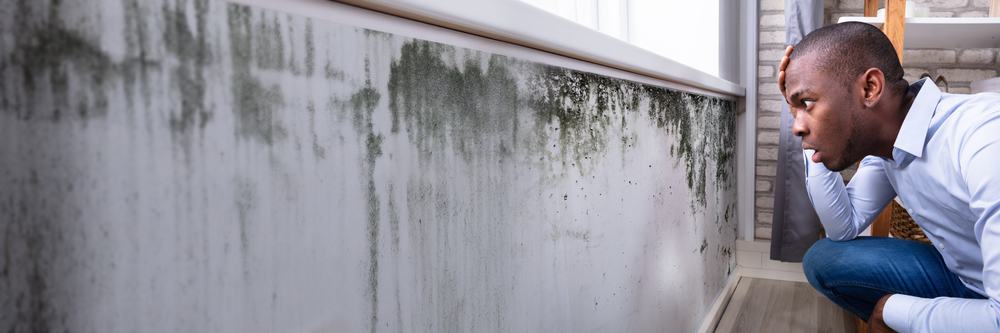
East Hampton properties face a mold risk that most homeowners on the western end of Long Island never have to think about. When a home sits closed from Labor Day through Memorial Day no heat cycling, no ventilation, no one checking on it a single slow leak or a winter’s worth of condensation can quietly establish a mold problem that’s been growing for months by the time you walk back in. The musty smell when you first open the door isn’t just stale air. It’s a signal worth taking seriously.
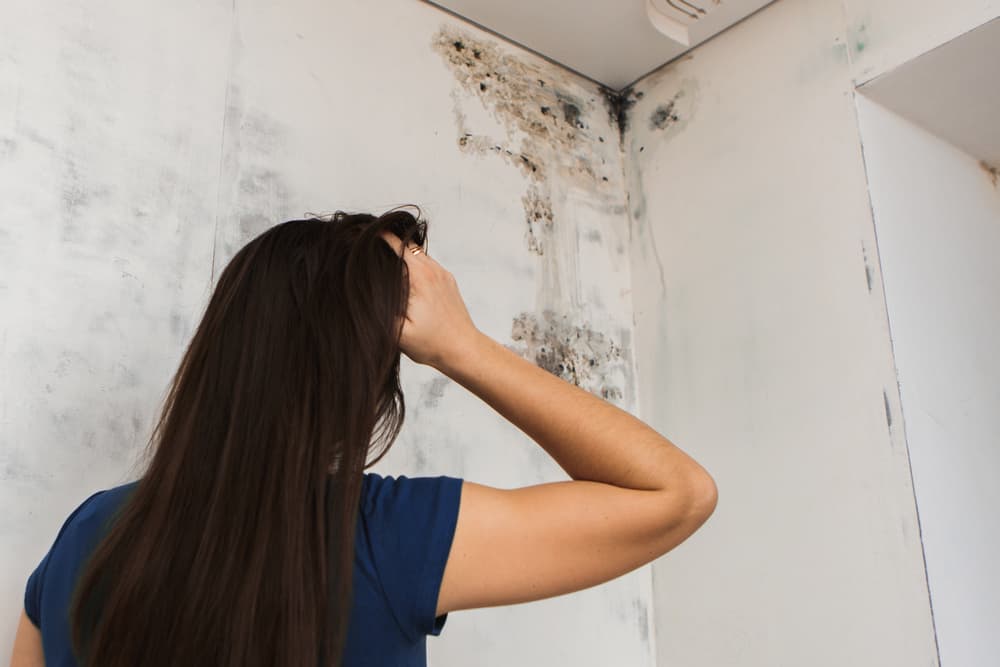
A thorough mold inspection tells you where the growth is, what type it is, how far it’s spread, and what’s driving it. That’s not the same as a visual walkthrough. The mold that tends to cause the most damage in East Hampton homes the kind hiding behind plaster walls in century-old construction, inside attic insulation, or beneath hardwood floors has no visible surface presence at all. You won’t see it. You’ll only find it if you’re actually looking for it with the right tools.
For anyone buying or selling property here, the stakes are even higher. Mold issues can reduce a home’s resale value by 20 to 37 percent, and in a market where properties routinely trade at several million dollars, that’s not a number you can afford to ignore. A documented inspection with accredited lab results gives you the clarity you need whether you’re protecting your investment, closing a deal, or just making sure your family is walking into a safe home this summer.
Mold Inspection Company Serving East Hampton, NY
First Response Restoration and Cleaning Inc. has been operating across Suffolk County for over 31 years. That’s not a number we throw around casually it means we’ve inspected homes in the Hamptons through multiple nor’easters, coastal flooding events, and hurricane seasons. We know what salt air does to a building envelope over decades. We know what happens to a Springs hamlet cottage or a Northwest Harbor estate that’s been closed up since September. That kind of experience doesn’t come from a franchise manual.
Every technician on our team carries IICRC certification not just the owner, every person who shows up at your door. We hold both the New York State Mold Assessor License and the Mold Remediator License, which have been legally required in this state since 2016. And because we handle inspection, remediation, and full reconstruction under one roof, you’re not left coordinating three different contractors while managing a property from the city. One call covers everything, start to finish.
Our Mold Assessment Process in East Hampton, NY
The inspection starts before we collect a single sample. We do a thorough walkthrough to identify visible signs of water intrusion, moisture damage, and any areas of concern paying close attention to north-facing walls, crawlspaces, attics, and basement perimeters, which are the highest-risk zones in East Hampton’s older housing stock. Salt air accelerates the breakdown of building materials, and north-facing walls that stay damp longer than the rest of the structure are often where problems start.
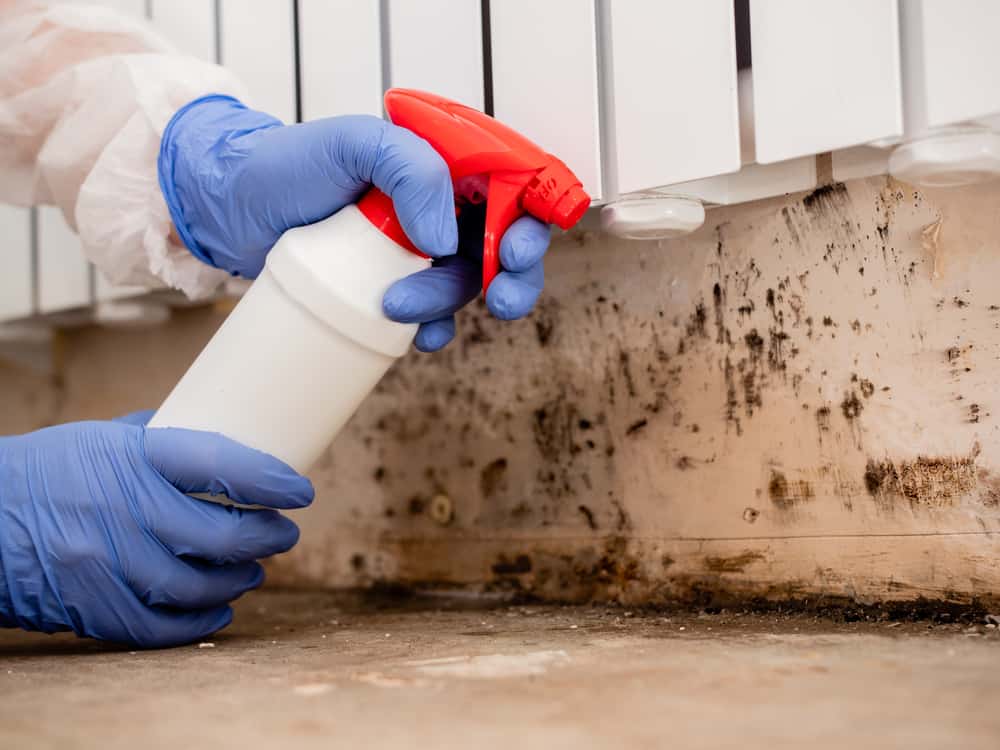
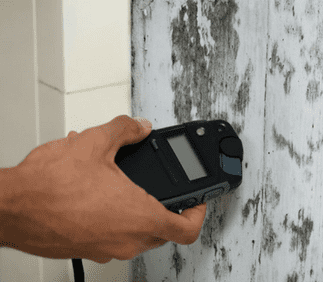
From there, we conduct air testing to capture airborne spore counts, swab sampling on any surfaces showing visible growth, and moisture level measurements throughout the property. We also collect an outdoor air sample so we can compare what’s inside your home against what’s naturally present in the coastal environment outside that comparison is what separates an elevated reading from a normal one. Infrared thermal imaging rounds out the process, letting us detect moisture and hidden mold activity behind walls and under floors without opening anything up.
Every sample goes to a certified, accredited laboratory for analysis. You receive a detailed written report that includes the lab results, photographs of every identified mold source, moisture readings, and a clear explanation of what was found and what needs to happen next. In East Hampton’s real estate market, where attorneys and buyers’ agents often require this documentation as part of a closing, that report isn’t just useful it’s essential.
Ready to get started?
Mold Testing Services in East Hampton, NY
Our mold inspection service in East Hampton, NY covers the full picture not just what’s visible on the surface. Air quality testing captures airborne spore concentrations throughout the home. Surface swab sampling identifies and confirms active mold colonies. Moisture measurement pinpoints the water source driving the growth, because without addressing the source, any remediation is temporary. Infrared thermal imaging is a genuine differentiator here it’s not standard practice across the industry, and it’s particularly valuable in East Hampton’s historic properties where mold routinely develops inside wall cavities and beneath original flooring with no outward sign whatsoever.
We also conduct a full water intrusion inspection to trace where moisture is entering the structure. In a coastal environment like East Hampton where homes face persistent humidity between 72 and 82 percent year-round, where salt air works its way into wood siding and building seams, and where storm flooding is a documented local hazard finding the entry point is just as important as finding the mold itself. East Hampton Town’s own emergency preparedness guidance specifically addresses the flood risk these properties face, and we’ve seen firsthand what a single undetected intrusion point can do over a long winter.
For homeowners dealing with a mold problem that’s already been confirmed, we also provide post-remediation clearance testing an independent air quality test after remediation work is complete to verify the space is clean before it’s reoccupied. If the inspection reveals damage that requires structural repair, our team handles that too. You won’t need to find a separate contractor.
Why does my East Hampton home smell musty every time I open it up in spring?
That smell is almost always mold or mildew and in East Hampton, it’s one of the most common things we encounter when seasonal homeowners return after the winter. When a home sits closed for six to eight months with no active ventilation or climate control, moisture accumulates in attics, crawlspaces, and wall cavities. A slow leak, a pipe that froze and cracked, or just the natural condensation cycle in an unheated coastal home is enough to establish mold growth that spends the entire off-season expanding.
The smell is a signal, but it’s not a diagnosis. Some of the worst mold situations we’ve found in East Hampton properties had almost no odor at all they were discovered through air testing and thermal imaging, not by smell. If you’re opening a seasonal home and something doesn’t smell right, a professional mold inspection is the right next step before you bring your family in for the summer.
How much does a mold inspection in East Hampton, NY typically cost?
Mold inspections nationally range from around $300 to just over $1,000, depending on the size of the property and the scope of testing. In East Hampton, where properties tend to be larger, older, and more complex than typical Long Island homes, expect to be toward the higher end of that range for a thorough inspection that includes air testing, swab sampling, moisture mapping, and infrared imaging.
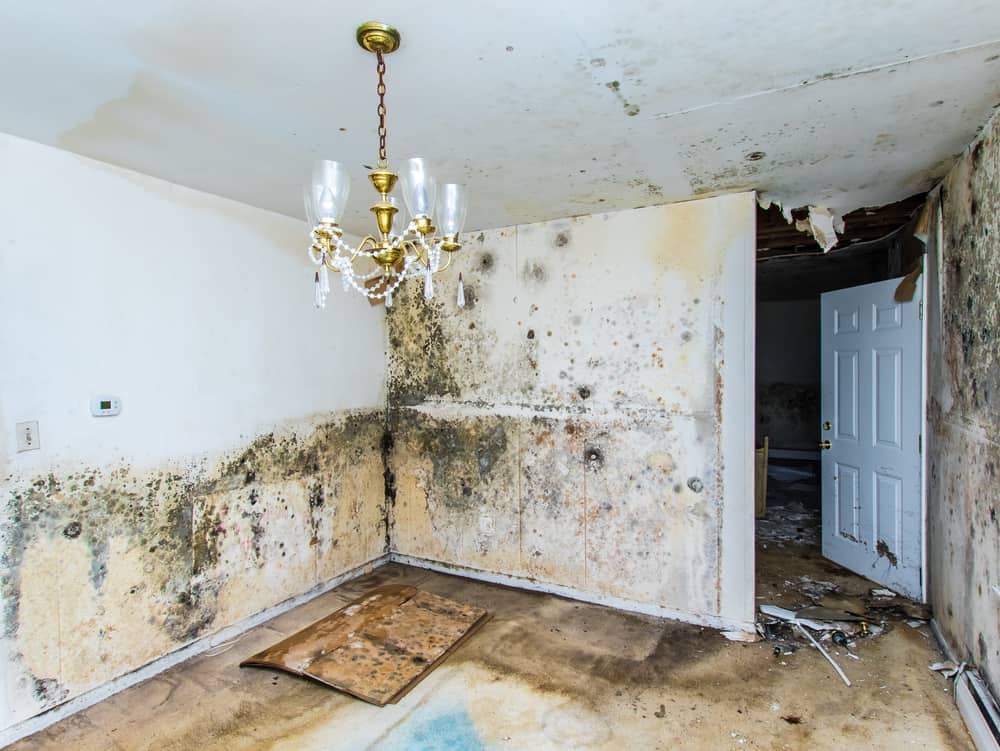
The cost of an inspection is almost never the relevant number in this market. The relevant number is what it costs if you don’t get one done properly. Mold remediation runs $1,150 to $20,000 or more for significant contamination. A mold problem that reduces your property’s resale value by even 20 percent on a $3 million East Hampton home represents a $600,000 loss. Against those figures, a professional mold inspection isn’t an expense it’s straightforward risk management.
Does a mold inspector in East Hampton need to be licensed by New York State?
Yes and this matters more than most homeowners realize. New York State law has required all mold assessors and mold remediators to hold separate licenses issued by the NY Department of Labor since January 1, 2016. This applies everywhere in New York, including East Hampton. A company cannot legally use the same license for both assessment and remediation they must hold both credentials independently.
Before you hire anyone to inspect or remediate a property in East Hampton, ask for their NY State license numbers and verify them through the Department of Labor’s public contractor search tool. It takes two minutes and it tells you immediately whether the company you’re considering is operating legally. We hold both the Mold Assessor License and the Mold Remediator License. Any company that can’t produce both license numbers when asked is a company you should walk away from.
Should I get a mold inspection before buying a home in East Hampton, NY?
Absolutely and in East Hampton specifically, it should be non-negotiable. The town’s housing stock includes a significant number of historic properties, some dating to the 18th and 19th centuries, built with construction methods that predate modern moisture management. Older plumbing, original wood framing, and building envelopes that have been patched and modified over decades create hidden moisture traps that a standard home inspection won’t catch.
Beyond the structural considerations, East Hampton’s coastal environment persistent humidity, salt air exposure, documented flood risk means that even a relatively newer property can have moisture problems that have been accumulating for years. A mold inspection with accredited lab results and a detailed written report gives you the documentation you need before closing, and it gives your attorney something concrete to work with if issues are identified. In a market where you’re spending millions of dollars on a property, skipping this step is a risk that doesn’t make sense.
Can mold grow in an East Hampton home that doesn't have visible water damage?
Yes, and it happens constantly especially in East Hampton’s older properties and in homes that sit vacant during the off-season. Mold doesn’t need a visible flood or a burst pipe. It needs sustained moisture, which in a coastal environment like East Hampton is almost always present. Humidity levels here range from 72 to 82 percent year-round. Salt air penetrates wood siding and building seams. Attics and crawlspaces in older homes often have inadequate ventilation, which means moisture that enters has nowhere to go.
The mold we find most often in these situations is growing inside wall cavities, beneath flooring, or inside attic insulation completely out of sight. There’s no stain on the ceiling, no visible growth on the wall, no obvious sign that anything is wrong. That’s exactly why infrared thermal imaging is part of our inspection process. It detects moisture and hidden mold activity in areas a visual inspection would completely miss. If your home has never been tested and it’s been more than a few years since any significant inspection, there’s a reasonable chance something is there that you don’t know about.
What's the difference between mold testing and mold remediation, and do I need both?
Mold testing or mold assessment is the inspection process: collecting air and surface samples, sending them to an accredited lab, and producing a written report that tells you what’s present, where it is, and how significant the contamination is. Mold remediation is the physical removal and treatment process that follows when testing confirms a problem. Under New York State law, these two functions require separate licenses, and they’re meant to be separate steps the assessment tells you the scope of the problem, and the remediation addresses it based on those findings.
In practice, not every inspection leads to remediation. Sometimes the results come back clean, or the issue is minor enough to be addressed with basic cleaning and moisture control. When remediation is necessary, having a company that holds both licenses and can handle both steps means you’re not starting over with a new contractor after the inspection is done. For East Hampton homeowners managing properties remotely or working against a real estate closing timeline that continuity makes a significant difference.
Useful Links
Other Services we provide in East Hampton