

Hear from Our Customers
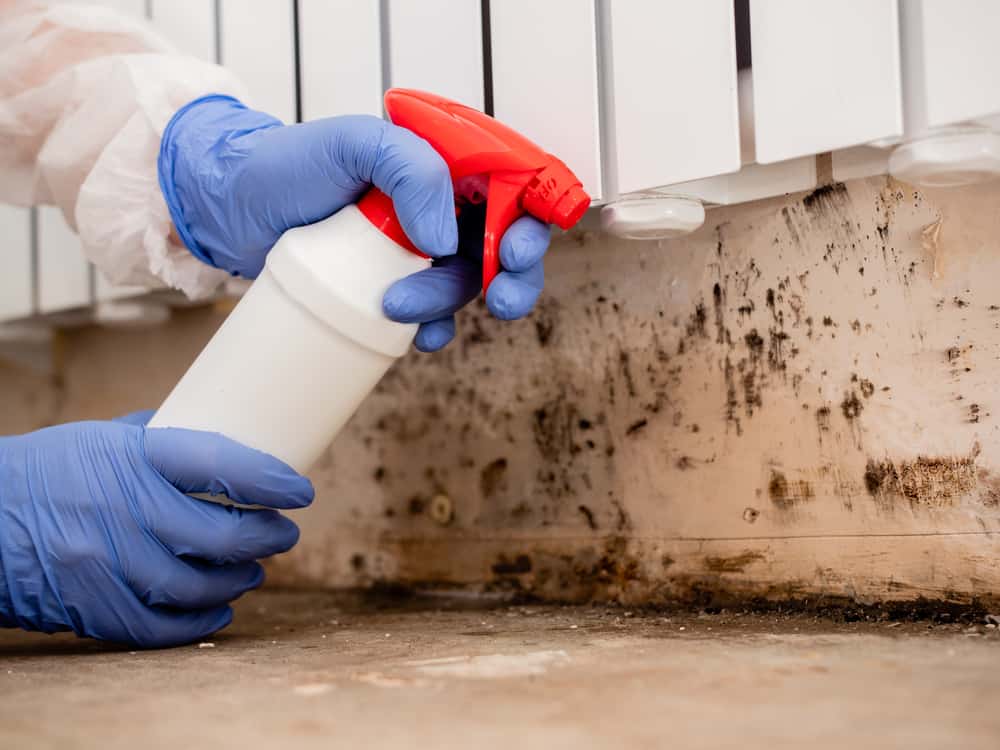
A musty smell in the basement. A child who keeps getting congested. A bathroom renovation that uncovered something dark behind the original tile. These aren’t random — they’re patterns we see constantly in pre-war homes throughout Floral Park, and they almost always point to the same thing: moisture that found its way in and never found its way out.
When you get a professional mold inspection done, you stop guessing. You get a written report backed by certified lab results — one that tells you exactly what species is present, where the concentration is highest, and what it would take to resolve it. That’s not just peace of mind. That’s the kind of documentation your insurance company will actually accept and your real estate attorney can work with.
Floral Park’s housing density doesn’t help. With homes packed tightly together on compact lots along streets like Carnation Avenue and Violet Place, there’s limited airflow between structures, less sunlight reaching basement-level walls, and more opportunity for ground moisture to wick through original concrete block foundations. Add Nassau County’s humid summers — where outdoor humidity regularly climbs past 70% — and you have conditions that push mold growth year-round, not just after a flood.
We’ve been working in Nassau County for over three decades, and Floral Park has been part of that service area from the beginning. That’s not a marketing number — it means the technicians arriving at your door have assessed hundreds of pre-war Tudors, Cape Cods, and Colonial-era homes with the same original plumbing, the same aging foundations, and the same moisture vulnerabilities that define Floral Park’s neighborhoods.
Every technician holds IICRC certification — not just the owner, every person on every job. We’re fully licensed under New York State’s Article 32 mold licensing law, bonded, and insured. Owner Richard Peterson is personally licensed in both mold inspection and mold remediation, and we maintain a dedicated Nassau County line at 516-698-1776 specifically for homeowners in this area.
If you’re near the Floral Park LIRR station on Tulip Avenue or anywhere within the village, you’re in a service area we know well — not because it’s on a list, but because we’ve been showing up here for years.
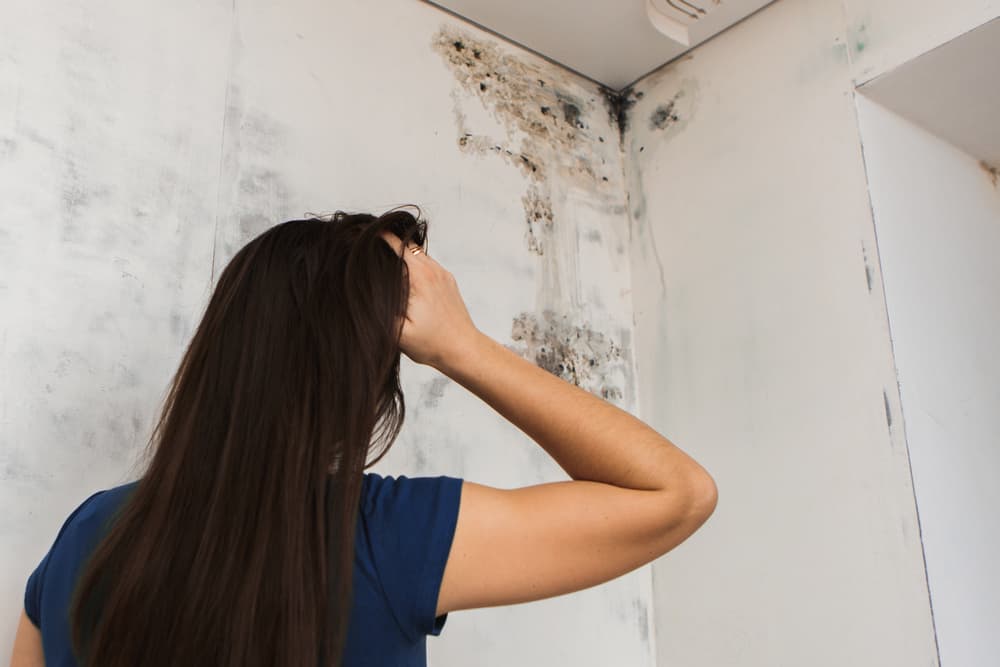
The inspection starts with a thorough walkthrough of your property — not a quick visual scan, but a structured assessment using infrared cameras and moisture meters designed to detect problems behind walls, under floors, and inside attic spaces. In a village where more than 90% of homes are over 55 years old, a visual check alone misses too much. Infrared technology sees the moisture that’s hiding inside your original plaster walls or beneath a finished basement ceiling before it becomes a visible problem.
From there, we collect air samples and surface swabs and send them to a certified third-party laboratory. This isn’t an in-house opinion — it’s objective data: species identification, spore counts, and a comparison between indoor and outdoor air particle levels that gives you a clear baseline. In Nassau County, where mold allergen risk runs high through the summer months and nor’easters can flood basements with little warning, that baseline matters.
You receive a full written report when it’s done. It documents the mold sources, includes photographs, outlines spore concentration levels, and provides specific remediation recommendations. If your home needs further work, we handle that too — same company, same team, no handoff to a stranger who wasn’t there for the inspection.
Ready to get started?
Our mold inspection includes air testing, surface swab sampling, moisture level measurement, water intrusion assessment, infrared scanning for hidden mold, internal and external air particle comparison, photographs of all identified mold sources, and a complete written lab report. That’s the full picture — not a clipboard walkthrough.
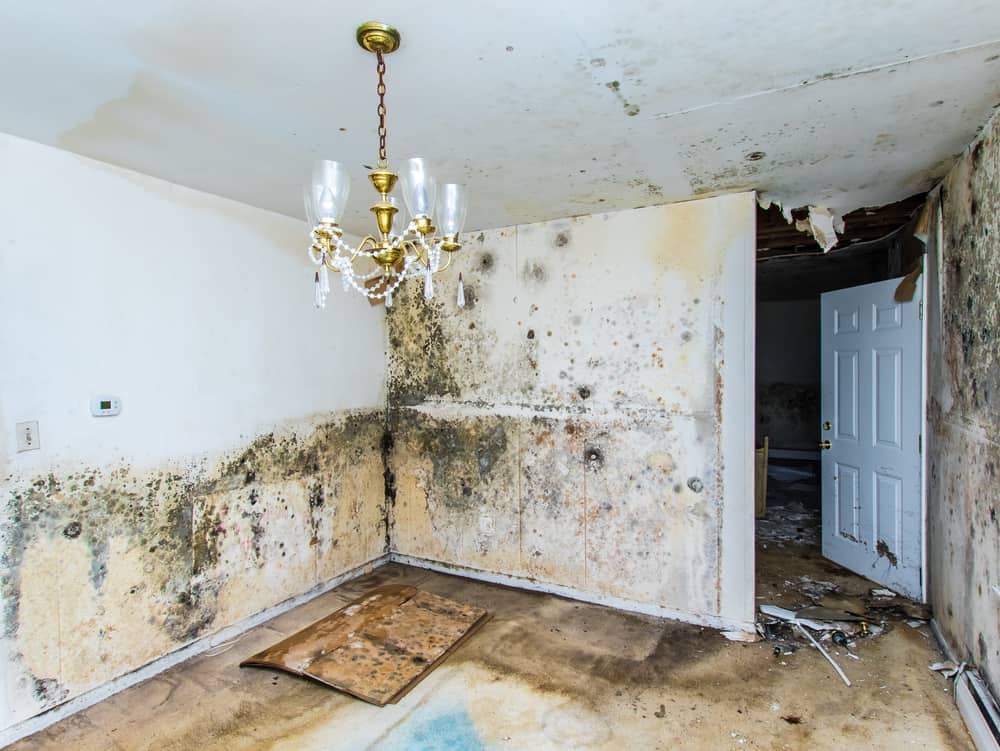
This matters especially in Floral Park, where homes routinely have finished basements added over decades on top of original concrete foundations, attic spaces that predate modern ventilation codes, and galvanized plumbing that’s been slowly corroding behind walls for generations. Ice dams are another local factor worth knowing: Floral Park’s older Cape Cod and Tudor rooflines are particularly prone to ice dam formation in winter, which forces meltwater back under shingles and into attic framing — a direct path to mold growth that often goes undetected until a renovation reveals it.
New York State requires mold assessors to hold a valid license under Article 32 of the NY Labor Law. Any professional performing this work for compensation without that license faces fines up to $10,000, and their findings carry no legal weight with insurers or courts. We’re fully compliant. When you need documentation that holds up — for an insurance claim, a real estate transaction, or a contractor estimate — this is the report that gets accepted.
Yes — and this is one of the most important things to verify before you hire anyone. New York State’s Article 32 of the Labor Law has required mold assessors and remediation contractors to hold a valid NYS Department of Labor license since January 1, 2016. This applies everywhere in the state, including Floral Park. If someone performs a mold assessment on your property without that license, they are operating illegally, and their findings are not legally recognized by insurance companies or courts.
The fine for unlicensed mold work can reach $10,000. More importantly, if you submit a claim to your homeowner’s insurance based on an unlicensed inspector’s report, it can be denied outright. Always ask for a state license number before any mold professional enters your home. We’re fully licensed, and Richard Peterson holds personal licensure in both mold inspection and mold remediation — so you’re covered from assessment through resolution.
In the Nassau County market, a professional mold inspection generally runs between $400 and $900 depending on the size of the property, the number of samples collected, and whether infrared scanning is included. Smaller single-family homes on the lower end, larger or more complex properties — including homes with finished basements, attic spaces, and multiple moisture-risk zones — toward the higher end.
In Floral Park specifically, where the majority of homes are pre-war construction with original foundations, aging plumbing, and attic spaces that weren’t built to modern ventilation standards, a thorough inspection typically involves more sampling points than a newer home would require. That adds some cost, but it also means you’re getting a complete picture rather than a partial one. The cost of missing mold in a home worth $500,000 or more is exponentially higher than the cost of getting it right the first time. A low-priced inspection that skips lab analysis or skips the attic isn’t saving you money — it’s leaving you exposed.
These terms get used interchangeably, but they describe different things. A mold inspection is a comprehensive assessment of your property — a trained technician physically examines the home, uses moisture meters and infrared cameras to identify problem areas, and collects samples for laboratory analysis. The goal is to determine whether mold is present, where it’s located, and what conditions are allowing it to grow.
Mold testing refers specifically to the laboratory analysis of those samples — the process of identifying the species present, measuring spore concentrations, and comparing indoor air quality to outdoor baseline readings. Testing is a component of a full inspection, not a replacement for it. In New York State, both the inspection and any subsequent remediation work must be performed by licensed professionals under Article 32. A company that offers “testing only” without the full assessment process may be cutting corners — or may not hold the required state license to perform the complete service legally.
Yes, and this is one of the most common scenarios in Floral Park’s older housing stock. Many of the Cape Cod and Tudor-style homes throughout the village were built before modern attic ventilation standards existed. Without adequate soffit and ridge venting, warm moist air from the living space rises into the attic and has nowhere to go — it condenses on the underside of the roof decking and on the attic framing, creating exactly the conditions mold needs to grow.
You don’t need a visible leak for this to happen. In fact, many Floral Park homeowners discover significant attic mold during a renovation or re-roofing project and are genuinely surprised — there was no water stain on the ceiling below, no obvious sign of a problem. Ice dams are another contributing factor in winter: when heat escapes through an under-insulated attic, it melts snow at the roof surface, and that water refreezes at the eave line and backs up under the shingles. Over time, that cycle introduces moisture directly into the attic framing. Infrared scanning during a mold inspection is the most reliable way to detect this before it becomes a structural issue.
Strongly recommended — and a standard home inspection is not a substitute for it. A general home inspector is looking at the overall condition of the property: roof, electrical, plumbing, HVAC, structure. They are not equipped to perform air sampling, analyze spore concentrations, or use infrared technology to detect moisture hidden inside wall cavities. They may note visible mold if they see it, but they will not find what’s behind the original plaster walls or under the finished basement ceiling.
In Floral Park, where most homes on the market are 60 to 130 years old, the moisture history of a property is long and complex. Pipes have failed and been repaired. Basements have flooded and been dried out — or not fully dried out. Attics have accumulated years of condensation. A pre-purchase mold inspection gives you the full picture before you close, not after. If mold is found, you have negotiating leverage. If it’s not found, you have documented confirmation that the home is clean — which is worth something on its own in a market where homes regularly sell above $500,000.
Mold can begin growing within 24 to 48 hours of water exposure under the right conditions — and in Floral Park’s older homes, those conditions are almost always present after a flooding event. Original concrete block foundations absorb and retain moisture. Finished basement walls and ceilings trap that moisture against drywall and framing. Summer humidity in Nassau County is already elevated, which means the indoor environment after a flood is warm, wet, and poorly ventilated — exactly what mold needs to establish itself quickly.
Floral Park’s compact lot layout and dense residential development mean that heavy rain events and nor’easters produce significant runoff with limited places to drain. Basement flooding after storms is a recurring reality for many homeowners in the village, particularly those with older foundation waterproofing or below-grade finished spaces. If your basement took on water, the window for preventing mold growth is short. We respond 24 hours a day, seven days a week — not because it sounds good on a website, but because waiting until Monday morning after a Saturday night flood means mold is already growing by the time anyone shows up.
Useful Links
Other Services we provide in Floral Park