
Hear from Our Customers
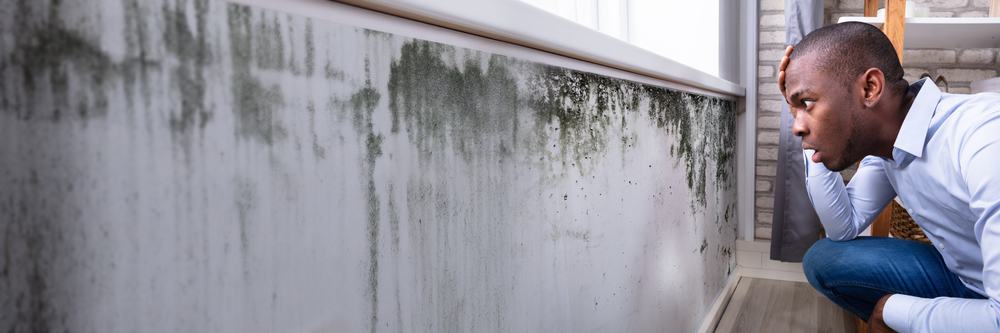
Most mold problems in University Gardens don’t start with a visible stain. They start with a slow pipe, a nor’easter that pushed water under aging flashing, or a basement that took on an inch of water last spring and never quite dried out. By the time you smell something, mold has usually been growing for weeks — sometimes months — in places you’d never think to look.
That’s the reality of living in a community where most homes were built between the 1920s and 1960s. Construction from that era wasn’t designed with modern moisture management in mind. There are no vapor barriers in most of these foundations. The plumbing is old. The attic ventilation was built to a standard that hasn’t existed since the Eisenhower administration. And the Great Neck peninsula’s position — nearly surrounded by Manhasset Bay, Little Neck Bay, and Long Island Sound — means ambient humidity stays elevated in ways that inland Nassau County neighborhoods simply don’t experience.
A professional mold inspection tells you exactly what’s there, where it is, and what’s causing it. Not a guess. Not a visual scan. A written, lab-certified report with species identification, spore counts, and specific next steps — so you can make a real decision about your home.
First Response Restoration and Cleaning Inc. has been working in Long Island homes since 1994. That’s three decades of inspections, remediations, and restorations across Nassau and Suffolk counties — including the older, character-rich housing stock that defines University Gardens, Waverly Hills, and the Great Neck Terrace complex.
I hold personal NYS Department of Labor licenses in both mold inspection and mold remediation. And unlike companies where only the owner carries credentials, every technician at First Response is IICRC-certified. The person who shows up at your door has the same level of professional training as the person running the company.
New York State has required licensed mold assessors since January 1, 2016, under Article 32 of the Labor Law. We are fully licensed, bonded, and insured — meeting every legal requirement for professional mold assessment in New York. If a company you’re considering can’t verify their NYS DOL license, that’s worth knowing before you let them into your home.
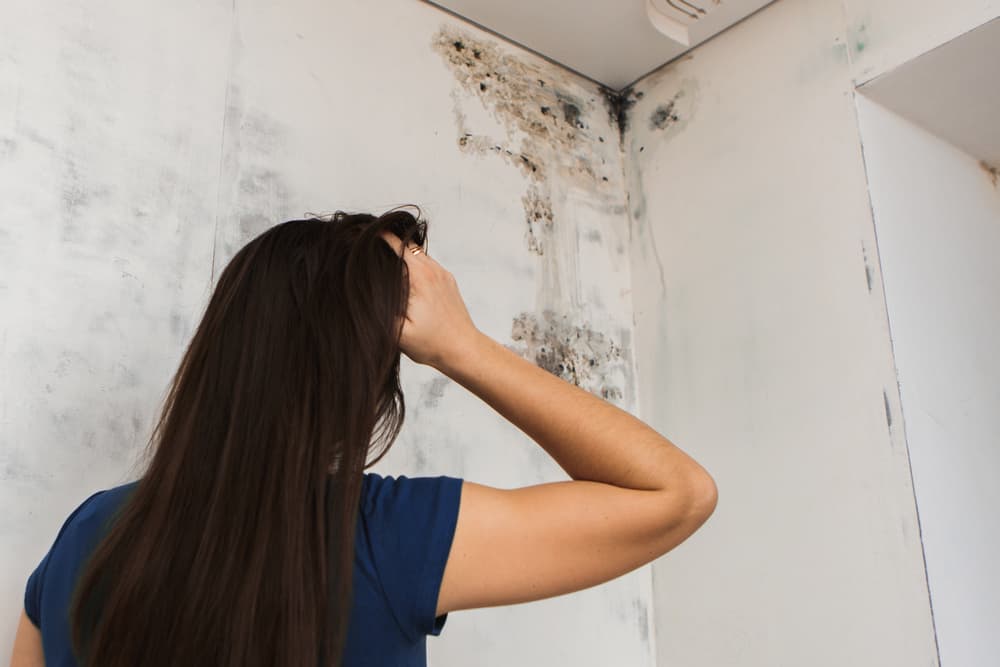
When one of our technicians arrives at your University Gardens home, the inspection starts with a full walk-through — not to check obvious surfaces, but to trace moisture pathways. In homes built before 1970, that means looking at original plumbing connections, attic ventilation systems, foundation walls, window seals, and any area that’s had water contact in recent years. If you’ve had a flooded basement, a roof repair, or even a bathroom leak that was fixed years ago, those areas get priority attention.
From there, the process moves into air testing and surface sampling. We collect air samples from multiple points inside the home and compare them against an outdoor baseline — because the only way to know if your indoor air quality is actually compromised is to measure what’s normal for your specific environment that day. Surface swabs go to a certified third-party laboratory for species identification and spore concentration analysis. This isn’t an in-house opinion — it’s lab data.
The final piece is infrared thermal imaging. This is where hidden mold gets found. Temperature differentials inside wall cavities, beneath flooring, and around HVAC systems show up on infrared scans before they’re ever visible to the eye. For a community like University Gardens — where homes have decades of layered building history and the peninsula’s coastal humidity creates persistent moisture pressure — this step isn’t optional. It’s how you actually know.
Ready to get started?
Our mold inspection covers five specific areas: air quality testing, surface swab sampling, water intrusion inspection, moisture level measurement, and infrared thermal imaging for hidden mold detection. Every sample goes to a certified external laboratory. When the results come back, you receive a written report that includes mold species identification, spore concentration data, internal-to-external air comparison results, and specific remediation recommendations. That report is accepted by insurance companies, real estate attorneys, and health professionals — which matters in a market like University Gardens, where home values approach $1 million and pre-purchase inspections are a standard part of the closing process.
We inspect both residential and commercial properties. For homeowners in the original University Gardens subdivision or Waverly Hills, that typically means a full single-family assessment. For the Great Neck Terrace apartment complex — 652 units across 28 buildings constructed in the 1950s — the scope can extend to multi-unit environments where shared plumbing and ground-level moisture exposure create compound risk across multiple apartments at once.
If the inspection identifies a problem, we handle remediation and full property restoration in-house. There’s no hand-off to a separate contractor, no miscommunication between an inspector and a remediator who’ve never worked together. One team, one point of contact, from the first air sample to the final clearance test.
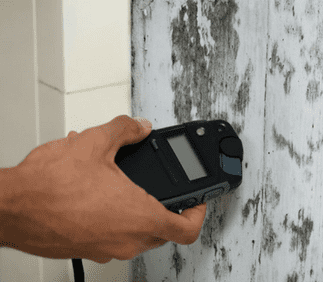
The honest answer is that you often can’t tell without testing. A musty smell is one signal, but mold can grow inside wall cavities, beneath flooring, and in attic insulation without producing any odor at the living level. Persistent allergy symptoms, unexplained respiratory irritation, or a history of water intrusion — even something that was repaired years ago — are all reasons to get a professional assessment.
In University Gardens specifically, the combination of pre-1970 construction and coastal humidity creates conditions where mold can establish itself in places that look completely fine on the surface. Infrared thermal imaging is the only reliable way to find moisture-driven mold growth inside a structure without tearing open walls. If your home is in the original University Gardens subdivision, Waverly Hills, or the Great Neck Terrace complex, and you’ve never had a professional inspection, there’s a reasonable chance something is there that you haven’t found yet.
Nationally, mold inspections range from around $300 to just over $1,000, with most falling near $670. In Nassau County, you’re typically looking at the higher end of that range given the cost of living and the complexity of the housing stock. What you’re paying for matters more than the number itself — a thorough inspection that includes air testing, surface sampling, infrared imaging, and certified lab analysis is a fundamentally different product than a visual walk-through with a couple of air samples.
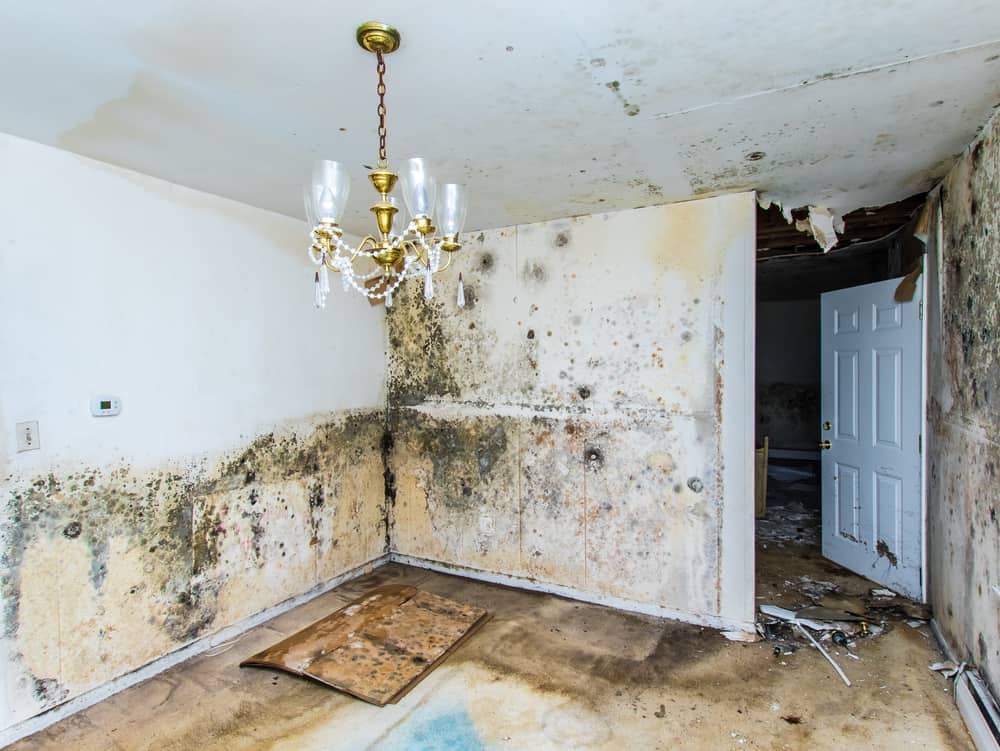
The more relevant comparison is what a delayed or missed inspection can cost. Mold remediation on Long Island typically runs between $1,150 and $20,000 depending on how far it’s spread by the time it’s found. In a University Gardens home valued near $1 million, the inspection cost is a small fixed expense against a much larger potential problem. Pre-purchase buyers especially should factor this in — it’s standard due diligence in this market, and real estate attorneys in Nassau County expect to see a lab-backed report when mold is identified during a transaction.
Yes. Since January 1, 2016, New York State has required all mold assessors and remediators to hold a license issued by the NYS Department of Labor under Article 32 of the Labor Law. This isn’t a voluntary certification — it’s a legal requirement, and fines for unlicensed mold work can reach $10,000. The assessor and the remediator must also be separate entities under New York law, which is designed to prevent the conflict of interest that comes from one company both diagnosing and profiting from the remediation.
Before you hire anyone for a mold inspection in University Gardens or anywhere else in New York, ask for their NYS DOL license number and verify it through the state’s online lookup tool. I hold personal licenses in both mold inspection and mold remediation. First Response is also fully bonded and insured, carrying liability coverage that meets and exceeds the state’s minimum requirements for licensed mold assessors.
It’s a real factor, and it’s one that distinguishes University Gardens from inland Nassau County communities. The Great Neck peninsula is nearly surrounded by water — Manhasset Bay to the west, Little Neck Bay to the east, and Long Island Sound to the north. That geography keeps ambient relative humidity consistently elevated, especially during summer months. When indoor humidity climbs above 60%, mold can begin growing within 24 to 48 hours. Reaching that threshold in a coastal community like University Gardens takes far less unusual weather than it would in a town like Uniondale or Plainview.
The practical effect is that University Gardens homes need more active moisture management than the construction era they were built in ever anticipated. Original single-pane windows generate condensation in winter. Older HVAC systems without proper humidity control can push moisture into ductwork. And sealed winter homes trap humidity from cooking, bathing, and normal respiration at levels that, over time, create ideal conditions for mold growth — particularly in attics, crawl spaces, and basement walls that don’t get regular attention.
If the home was built before 1970 — which describes the majority of University Gardens’ housing stock — then yes, a pre-purchase mold inspection is worth doing. The original University Gardens subdivision dates to 1927. The Waverly Hills section was developed in the 1940s. These are beautiful, well-maintained homes, but they carry the moisture vulnerabilities of their era: aging plumbing, minimal vapor barriers, original roofing systems, and decades of potential water intrusion events that may or may not have been fully addressed.
A standard home inspection won’t catch mold growing inside a wall cavity or beneath a subfloor. You need air testing, surface sampling, and infrared imaging to get a complete picture. At price points near $1 million, that’s not an optional add-on — it’s basic due diligence. The written lab report you’ll receive is also the format that Nassau County real estate attorneys expect when mold is identified before closing, so it protects you legally as well as financially.
Not with First Response. We handle the inspection, remediation, and full property restoration all in-house, which means you’re working with one team from the first air sample to the final clearance test. There’s no hand-off to a separate contractor, no gap between what the inspector found and what the remediator addresses, and no risk of the remediation plan drifting from the original assessment findings.
Under New York State’s Article 32 rules, the mold assessor and remediator must be separate licensed individuals — and at First Response, that separation is maintained properly. I hold both licenses, and our internal process keeps assessment and remediation distinct while still operating under one roof. For University Gardens homeowners dealing with mold after a water damage event, this matters practically: you’re not coordinating between two companies, chasing two timelines, or trying to get two separate reports to align for an insurance claim. One call handles the whole process.
Useful Links
Other Services we provide in University Gardens