
Hear from Our Customers
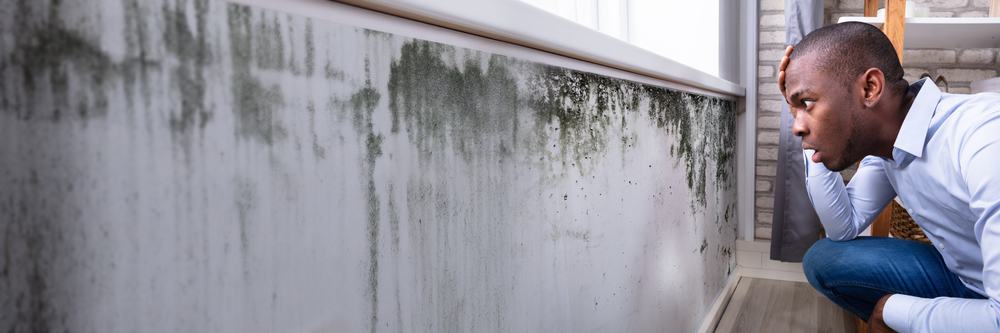
Most Wantagh homeowners don’t call us about mold because they can see it. They call because something feels off — a smell in the basement after a wet spring, a family member who can’t stop coughing, or a home inspector who flagged something during a pre-purchase walkthrough. The problem with mold is that it rarely announces itself. It grows behind plaster walls, under original hardwood floors, and in attic insulation that hasn’t been properly ventilated since the house was built in 1955. By the time you notice it, it’s usually been there a while.
A professional mold inspection in Wantagh gives you a definitive answer — not a guess, not a visual scan, and not a DIY kit result that doesn’t hold up with your insurance company. You get certified laboratory analysis, a full written report, and a clear picture of what’s actually happening inside your home. That documentation matters whether you’re filing a claim after storm flooding, negotiating a real estate transaction, or simply trying to make an informed decision about your family’s health.
Wantagh sits right on Long Island’s South Shore. The back bays, the tidal wetlands around Cedar Creek County Park, and the coastal humidity that comes with being the gateway to Jones Beach — all of it creates baseline moisture conditions that inland Nassau communities don’t deal with. Homes here are more exposed, and older homes especially carry the structural vulnerabilities that let moisture in and keep it there. Knowing what’s in your home isn’t just peace of mind. It’s the first step to actually fixing it.
First Response Restoration and Cleaning Inc. has been serving Nassau and Suffolk County homeowners for over three decades. That’s not a marketing number — it means we were here for Superstorm Sandy, for every nor’easter that pushed back bay water into Wantagh basements, and for every homeowner who called in a panic after finding something dark on their attic insulation. This is the kind of experience that only comes from showing up, repeatedly, in the exact conditions that South Shore homes deal with.
Every technician on our team is IICRC-certified — not just the owner, not just the lead inspector on the job. We’re fully licensed by the New York State Department of Labor for both mold assessment and mold remediation under Article 32 of the NY Labor Law, and we’re licensed, bonded, and insured. When you call, we dispatch. We cover Nassau County with a dedicated line at 516-698-1776, and we’re available 24 hours a day, seven days a week.
We already serve Wantagh and the surrounding communities — including North Wantagh — and understand the specific housing stock, flooding history, and moisture conditions that define this part of Nassau County.
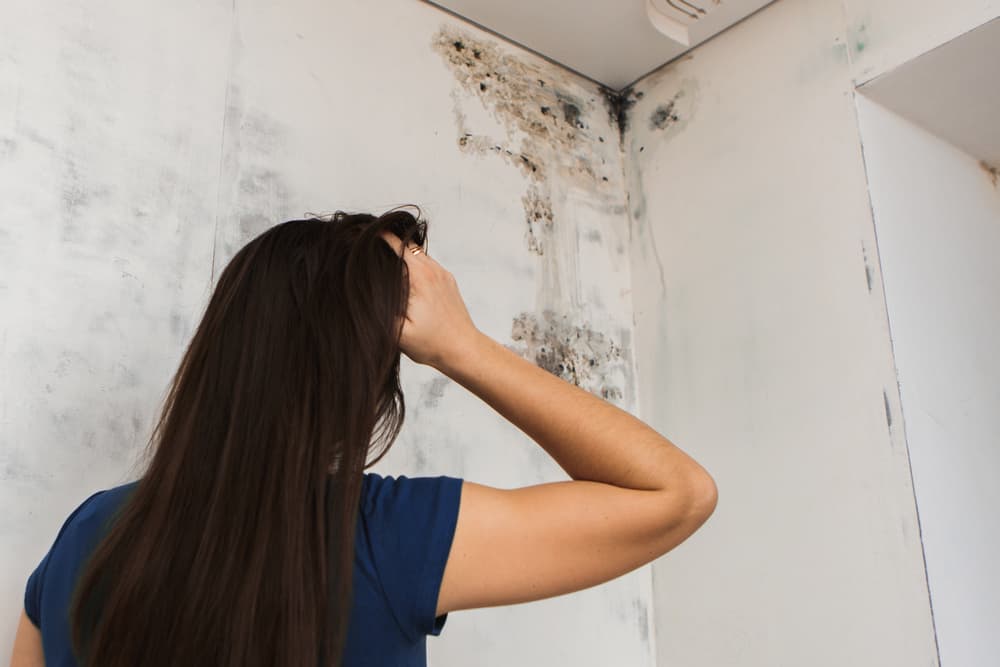
When one of our technicians arrives at your Wantagh home, we’re not doing a visual walkthrough and calling it done. The inspection follows a five-point protocol that’s built for homes like yours — older construction, potential water intrusion history, and moisture conditions that don’t always show up on the surface.
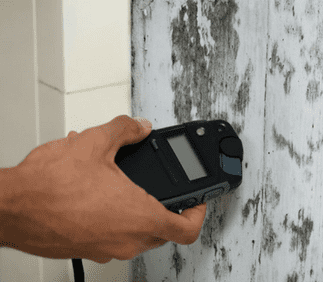
It starts with air testing and surface swab sampling, which we send to a certified laboratory for analysis. At the same time, our technician measures moisture levels throughout the home and uses infrared thermal imaging to detect temperature differentials that indicate hidden moisture behind walls, under floors, and in ceilings. This matters especially in Wantagh’s postwar homes, where original plaster walls and aging insulation can trap moisture for weeks after a flooding event without any visible sign on the surface.
The inspection also includes a comparison of indoor air particle levels against outdoor baseline levels — the test that actually tells you whether your home’s air quality is worse than the environment outside. Given that Wantagh’s South Shore position means outdoor mold spore counts can already be elevated, this comparison is the only accurate way to assess your indoor air quality. When it’s all done, you receive a detailed written report with the certified lab results and specific recommended next steps. That report is what your insurance adjuster, your real estate attorney, or your doctor will actually accept.
Ready to get started?
New York State has required licensing for all mold assessors and remediators since January 1, 2016, under Article 32 of the NY Labor Law. Unlicensed mold work can result in fines up to $10,000, and inspection results from unlicensed operators carry no legal weight for insurance claims or real estate transactions. If you’re dealing with a post-storm mold situation or a pre-purchase inspection on a 1950s colonial near Merrick Road, the license on the wall is not a formality — it’s what makes the report usable.
Our mold inspection in Wantagh, NY includes air testing, surface swab sampling, moisture level measurement, infrared scanning for hidden mold, indoor-to-outdoor air particle comparison, water intrusion inspection, and a full written report with certified laboratory results and recommended remediation steps. Whether you’re looking at a finished basement that flooded after a coastal storm, an attic above original insulation, or a crawlspace with no vapor barrier, the inspection is built to find what’s actually there — not just what’s visible.
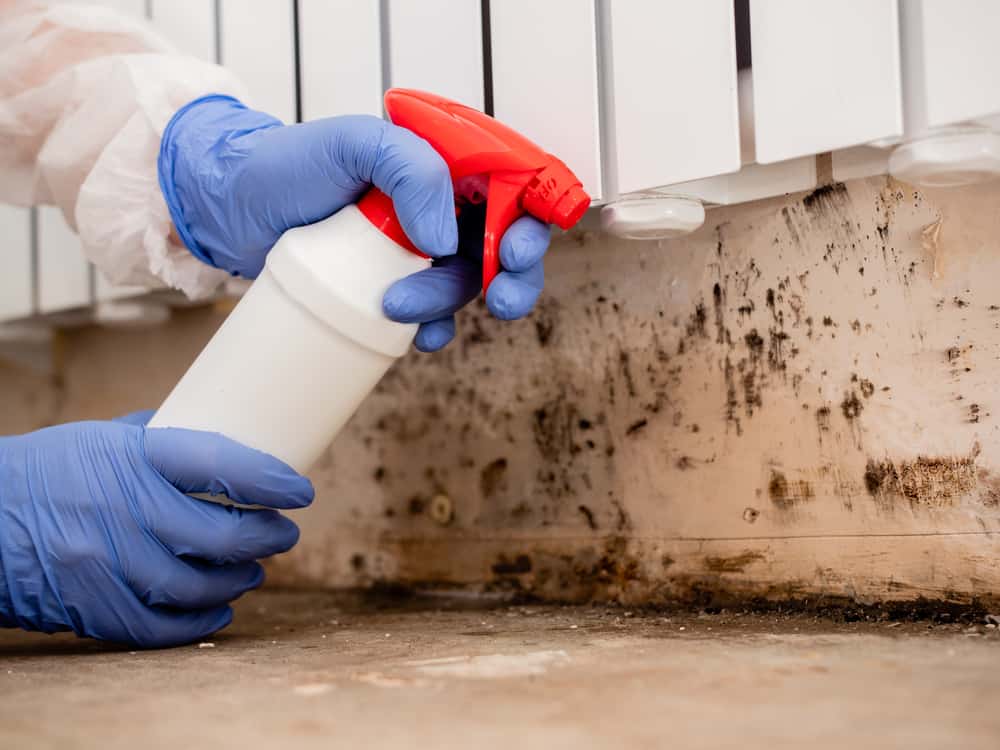
If mold is found, we handle remediation and full property restoration as well. You don’t need a second company. The same team that documented the problem understands the full scope of what needs to be corrected, which is particularly valuable when you’re navigating an insurance claim and need consistent documentation from assessment through completion. For homeowners in Wantagh’s higher-value housing market — where detached homes routinely transact near or above $800,000 — having one accountable company through the entire process is worth a great deal.
The national average for a professional mold inspection runs around $670, with most homeowners landing somewhere between $300 and $1,050 depending on the size of the home and what the inspection covers. On Long Island, you should expect to pay on the higher end of that range — labor costs are higher here, the NYS licensing requirements add a layer of professional accountability, and the older housing stock in Wantagh typically requires more thorough inspection than a newer home would.
For a 2,000–2,500 square foot postwar colonial or Cape Cod — which describes a significant portion of Wantagh’s housing stock — a thorough inspection with air sampling, surface swabs, infrared scanning, and certified lab results typically falls in the $600–$900 range. That’s not a number to flinch at when you consider that undetected mold remediation can run anywhere from $1,150 to $20,000 depending on how far it’s spread. The inspection cost is the part that tells you whether you have a $1,500 problem or a $15,000 one.
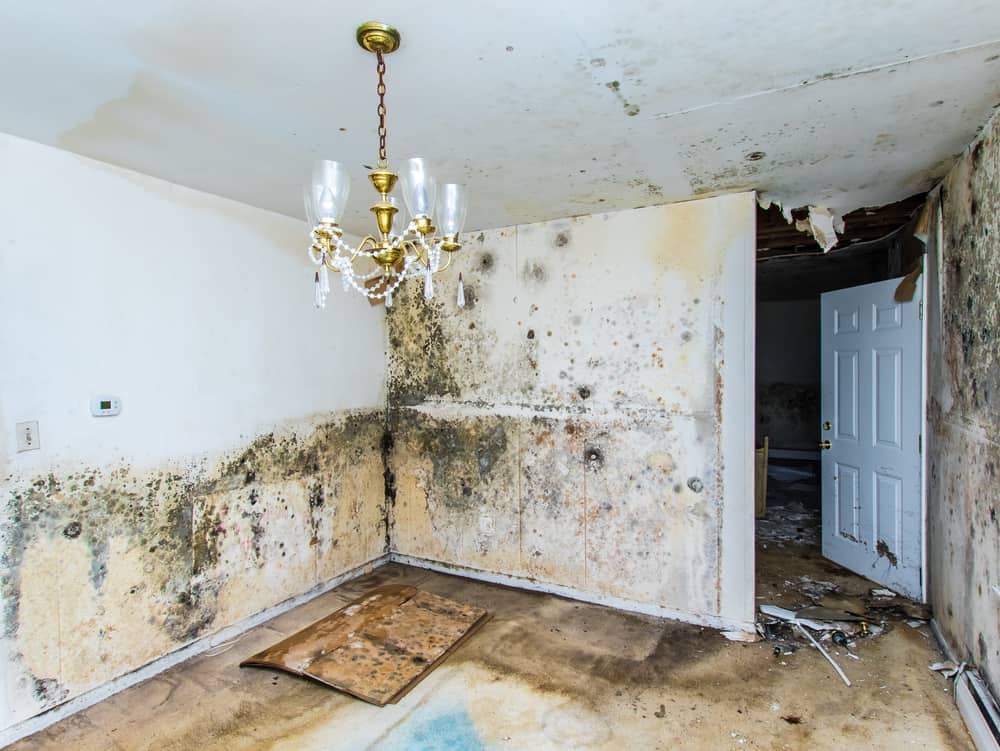
Yes — and timing matters. Mold can begin growing within 24 to 48 hours once indoor humidity exceeds 60 percent. In a Wantagh basement, which is already dealing with South Shore groundwater pressure and limited natural drainage, a flooding event creates exactly the conditions mold needs to establish quickly. The problem is that by the time you dry out the visible water, mold may already be growing inside wall cavities, under flooring, and in the concrete itself — none of which you’d see without testing.
A professional mold inspection after basement flooding in Wantagh isn’t just about confirming whether mold is present. It’s about documenting the extent of any growth with certified lab results, which is what your homeowner’s insurance company will require before approving a remediation claim. Verbal assessments and DIY test kits don’t hold up in that process. A licensed mold assessor’s written report does. We’re available 24/7 and can dispatch quickly after a storm event — which means you can get documentation started before the window for a clean insurance claim closes.
The most obvious sign is a musty smell — that damp, earthy odor that tends to show up in basements, crawlspaces, or older bathrooms and doesn’t go away no matter how much you air the space out. Visible dark spots on walls, ceilings, or around window frames are another clear indicator, though in homes with original plaster walls — common in Wantagh’s postwar housing stock — the mold may be growing behind the surface where you can’t see it at all.
Other signs that Wantagh homeowners often overlook include persistent condensation on interior window surfaces during winter, unexplained respiratory symptoms in family members that improve when they leave the house, and water stains on attic insulation or around chimney flashing. Homes built before 1960 frequently have inadequate vapor barriers in the basement and insufficient attic ventilation — both of which create chronic moisture conditions that support mold growth over time. If your home was built in the 1950s and has a finished basement, those are two of the highest-risk areas to have inspected.
It’s not legally required, but for a home purchase in Wantagh, skipping it is a significant financial risk. The median detached home price here is approaching $886,000. When you’re putting that kind of money into a 1950s or 1960s property — one that may have original plumbing, decades of moisture exposure, and a basement that’s been finished and refinished multiple times — you want to know what’s behind the walls before you close.
A general home inspection can flag visible water staining or surface discoloration, but it doesn’t include air sampling, lab analysis, or infrared scanning for hidden moisture. Those are the tools that find mold growing inside wall cavities and under floors — the kind of mold that a standard home inspection completely misses. If a seller’s disclosure mentions any history of water intrusion, basement flooding, or roof leaks, that’s a strong reason to schedule a dedicated mold inspection before committing. We can turn around a full written report with certified lab results fast enough to fit within most Wantagh real estate closing timelines.
These terms get used interchangeably, but they’re not quite the same thing. A mold inspection is a comprehensive assessment of your home — it includes a visual examination, moisture measurements, infrared scanning for hidden moisture, and a review of areas at risk for water intrusion. Mold testing refers specifically to the collection and laboratory analysis of air or surface samples to identify what mold species are present and at what concentration levels.
In New York State, a licensed mold assessor must conduct both the inspection and oversee the testing process. The results of that testing — the certified laboratory report — are what give the inspection its legal and practical weight. Without the lab component, you have an opinion. With it, you have documentation. For Wantagh homeowners dealing with insurance claims, real estate transactions, or health-related concerns, the lab report is the piece that actually matters to the parties involved. Our inspection includes both — the physical assessment and the certified lab analysis — as part of a single, documented process.
Attic mold is one of the most common and most overlooked problems in Wantagh’s older housing stock. The majority of homes here were built in the postwar era with insulation and ventilation standards that simply don’t meet what we know today about moisture management. When warm, humid air from the living space rises into an under-ventilated attic and hits a cold roof deck in winter, condensation forms — and that repeated cycle of moisture and temperature change is exactly what drives mold growth on roof sheathing, rafters, and insulation.
Ice dams, which form on older roofs with inadequate insulation, compound the problem. When ice backs up under shingles and melts, that water infiltrates the attic and can saturate insulation and framing without ever producing a visible water stain on the ceiling below. You might not know it happened until the mold has been growing for months. An infrared scan during a professional mold inspection can detect the residual moisture signature from that kind of intrusion even after the visible water is long gone. If your Wantagh home is more than 40 years old and you’ve never had the attic professionally assessed, it’s worth knowing what’s up there.
Useful Links
Other Services we provide in Wantagh