
Mold Remediation in Melville, NY
When a $900K Home Has a Mold Problem, Cutting Corners Isn't an Option
Hear from Our Customers
Certified Mold Remediation in Melville
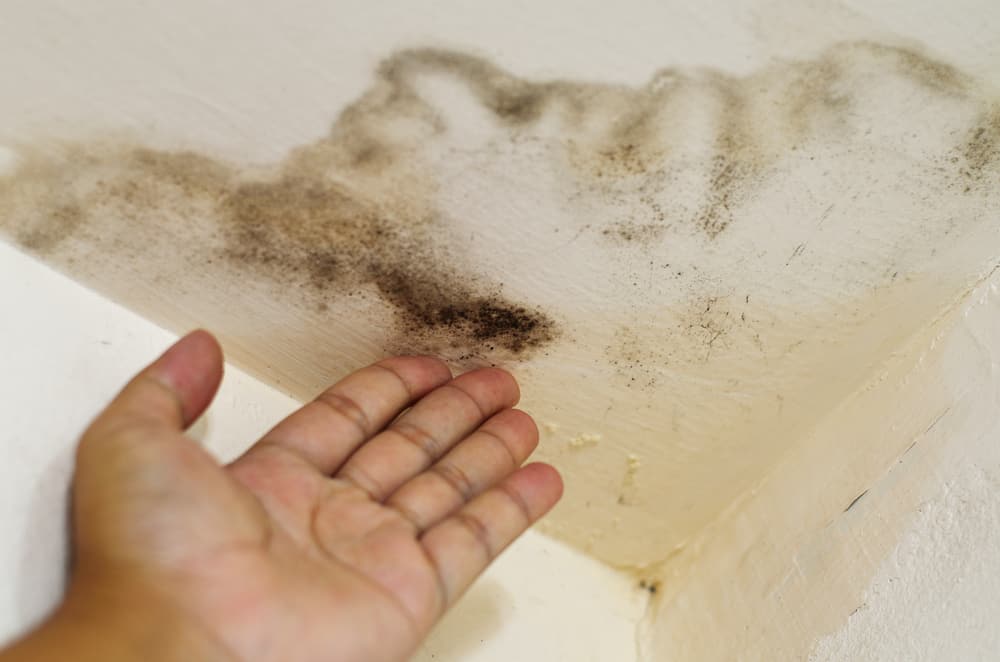
Mold doesn’t just look bad it chips away at the air your family breathes, the value of your home, and your peace of mind every day it goes unaddressed. When remediation is done right, you’re not just removing a visible problem. You’re restoring a living environment that’s genuinely safe.
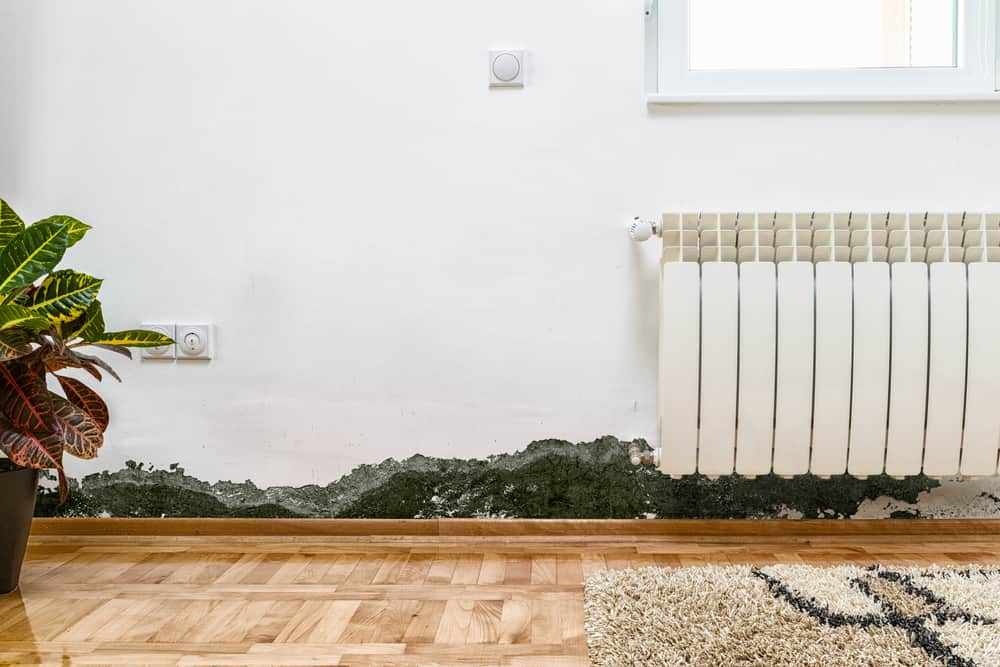
For homeowners in Melville’s established neighborhoods Country Village, Rollingwood, and the surrounding Half Hollow Hills area the housing stock tells a specific story. Most of these homes were built between the 1950s and 1980s, and while they’ve been updated over the years, the basements, crawl spaces, and attics often still carry the moisture vulnerabilities of their original construction. Inadequate vapor barriers, aging waterproofing systems, and attic ventilation that was never designed for today’s standards create conditions where mold finds a foothold quietly, long before you notice it.
What you get on the other side of a thorough remediation is a home that passes independent air quality testing, a clearance report that holds up in any real estate transaction, and the confidence that the moisture source driving the problem has been identified and addressed not just painted over. In a market where median home values in Melville are approaching $965,000, that kind of documented result isn’t a luxury. It’s the baseline.
Mold Remediation Companies in Melville, NY
We’ve been operating on Long Island for approximately 31 years. That’s not a marketing number it means we’ve worked inside the same mid-century split-levels and colonials that line the streets of Melville, Dix Hills, and West Hills for decades. We know this housing stock the way you only can after doing the work, not reading about it.
Our owner, Richard Peterson, holds personal New York State licenses in both mold assessment and mold remediation under Article 32 of the NYS Labor Law. That’s his individual license on the line for every job not a company credential sitting in a filing cabinet. Every technician on our team carries IICRC certification, meaning the people physically working in your Melville home have been trained and tested against the industry’s recognized standard for mold remediation.
We also run an integrated cleaning division one of the very few restoration companies on Long Island that handles the full cycle from containment through final cleaning without handing you off to a second contractor. One call. One company. One complete result.
Professional Mold Remediation Process in Melville
The first thing that happens isn’t mold removal it’s moisture mapping. Before anything is touched, the source driving the mold growth needs to be found. In Melville’s older housing stock, that source is often a degraded waterproofing system in a full basement, a sump pump that’s been quietly failing, or an attic with ventilation that hasn’t been updated since the home was built. Skipping this step is why mold comes back. We don’t skip it.
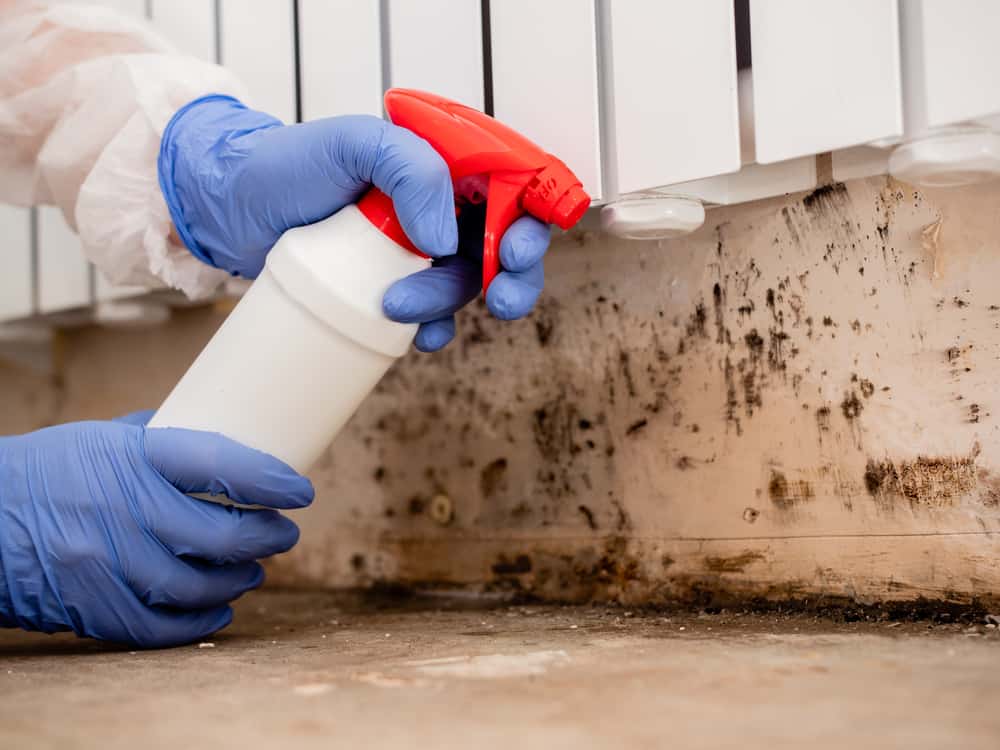
Once the source is identified, affected areas are contained using negative air pressure and physical barriers to prevent spores from spreading to unaffected parts of your home during the remediation process. Contaminated materials are removed, treated surfaces are addressed using EPA-registered antimicrobial products, and HEPA air scrubbers run throughout to capture airborne particles. New York State’s Article 32 governs every step of this process and because Richard Peterson holds personal NYS licensure, you’re covered from start to finish by a contractor who is legally accountable for the work.
After remediation is complete, independent post-remediation air quality testing confirms that spore counts have returned to normal levels. You receive a written clearance report the documentation that matters when you’re protecting a home worth nearly a million dollars, navigating an insurance claim, or preparing for a real estate transaction in one of Long Island’s most active markets.
Ready to get started?
Basement and Attic Mold Remediation in Melville
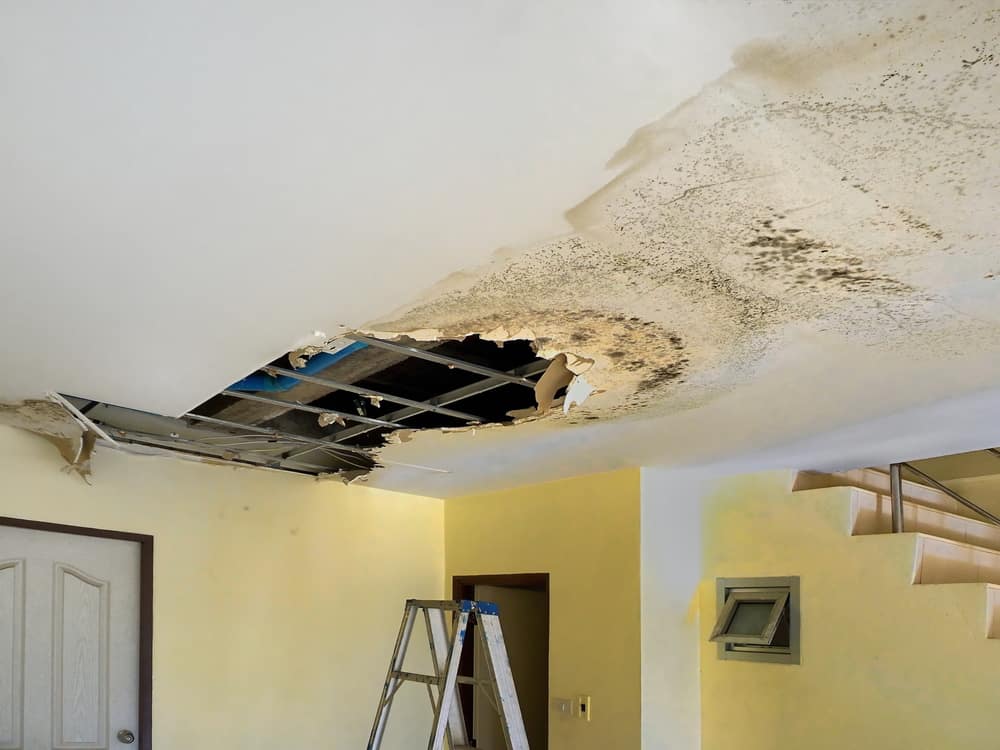
Mold remediation in Melville, NY isn’t a one-size situation. The type of mold, where it’s growing, and what caused it all affect the scope and approach. Basement mold remediation in Melville typically involves older concrete block or poured foundations where hydrostatic pressure from Suffolk County’s sandy soil has been working against the waterproofing for decades. Attic mold remediation in Melville is often triggered by inadequate ridge and soffit ventilation in homes built before modern standards warm interior air rises, meets a cold roof deck, and creates the moisture that mold needs. Crawl space mold remediation is its own category, requiring vapor barrier installation, proper drainage assessment, and encapsulation in many cases.
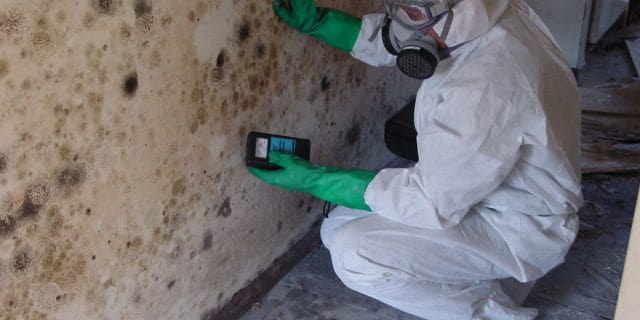
Black mold remediation follows a more intensive protocol full containment, specialized PPE for technicians, and aggressive air scrubbing because Stachybotrys and similar species require a higher level of care to prevent cross-contamination. If a home inspector in Melville flagged black mold during a pre-sale inspection, that’s a situation where documentation and clearance are just as important as the remediation itself.
Costs for mold remediation in Melville, NY vary based on scope. Smaller contained areas may fall in the $1,500–$3,500 range. Attic or structural mold projects in larger homes can run $5,000–$15,000 depending on square footage and the extent of the damage. We provide a clear written scope before any work begins no surprises, no inflated estimates after the fact.
Does homeowners insurance cover mold remediation costs in Melville, NY?
It depends on what caused the mold and that distinction matters more than most people realize. In New York, homeowners insurance typically covers mold remediation when the mold resulted directly from a covered water damage event, like a burst pipe, a failed sump pump during a storm, or a roof leak caused by wind damage. What it usually won’t cover is mold that developed gradually from long-term moisture issues or deferred maintenance.
For Melville homeowners, this comes up most often after nor’easters or heavy summer rain events that overwhelm older drainage systems in mid-century basements. If your basement flooded and mold followed, the key is documentation and that starts the moment the water event happens, not after the mold shows up. We help you build the paper trail your insurance company needs: photos, moisture readings, written scope, and a post-remediation clearance report. That documentation is what gets claims processed and prevents disputes from dragging out.
How do I verify that a mold remediation contractor in New York is actually licensed?
New York State requires all mold remediation contractors to hold a valid license under Article 32 of the NYS Labor Law and you can verify any contractor’s license directly through the NYS Department of Labor’s online license lookup tool. It takes about 30 seconds. If a contractor can’t give you a license number to look up, that’s your answer.
This matters more than people think. Hiring an unlicensed contractor for mold work in New York isn’t just a legal risk for them it creates real exposure for you. If work is performed without proper licensure, your insurance company can deny the claim. And if the remediation is done without proper containment, HEPA filtration, and post-remediation verification, you may end up with a mold problem that’s more spread out than when you started. Richard Peterson holds personal NYS licenses in both mold assessment and mold remediation individual credentials, not a company-level registration and both are verifiable through the state’s public database.
What's the difference between mold remediation and mold removal?
Mold removal is a term that gets used loosely, and it can give homeowners the wrong impression. You can remove visible mold from a surface bleach it, scrub it, paint over it but that doesn’t address the spores that have spread to surrounding areas, the moisture source feeding continued growth, or the structural material that may be compromised beneath the surface. Mold remediation is the complete process: source identification, containment, removal of contaminated materials, treatment of affected surfaces, air scrubbing, and post-remediation verification.
The distinction is especially relevant in Melville’s older housing stock, where mold in a basement or attic has often been growing for months or years before it’s discovered. By the time it’s visible, the problem has usually spread well beyond what you can see. A surface-level removal in that situation is a temporary fix at best. Remediation done to the IICRC S520 standard the industry’s recognized protocol is what actually resolves the problem and gives you the clearance documentation to prove it.
How long does mold remediation take in a typical Melville home?
Most residential mold remediation projects in Melville take between one and five days, depending on the size of the affected area and where the mold is located. A contained basement wall section or a small attic area can often be completed in one to two days. Larger attic mold projects which are common in Melville’s mid-century homes where inadequate ventilation has allowed moisture to accumulate across the entire roof deck can take three to five days when the sheathing is significantly affected and structural drying is required.
After the physical remediation work is complete, post-remediation air quality testing is conducted by an independent assessor a separate step required under New York State’s Article 32, which prohibits the same company from performing both the assessment and the remediation. That testing and the resulting clearance report typically add another day or two to the overall timeline. If you’re working against a real estate transaction deadline in Melville’s fast-moving market, it’s worth communicating that timeline upfront so the remediation can be scheduled to align with your closing date.
Can I stay in my house during mold remediation in Melville?
Whether you can stay in the home depends on where the mold is located and how extensive the remediation is. For a contained area a single basement wall, a utility room, or a localized attic section it’s often possible to remain in the home with proper containment barriers in place. For larger projects involving significant portions of a basement or most of an attic, temporary relocation is usually the more practical and safer choice, particularly for households with children, elderly residents, or anyone with respiratory sensitivities.
Melville’s senior population including residents of communities like The Greens at Half Hollow and the roughly 38% of households with children under 18 are the groups most likely to experience mold-related health effects during active remediation. Negative air pressure containment and HEPA air scrubbers significantly reduce the risk of spore migration into living areas, but in cases of extensive remediation, the disruption alone makes temporary relocation the better call. We’ll give you a straight answer about this during the initial assessment not a blanket policy, but a real recommendation based on the specific scope of your project.
A home inspection found mold in my Melville home before closing what do I do now?
This is one of the most time-sensitive situations in the mold remediation world, and it comes up regularly in Melville’s real estate market given the volume of transactions happening at price points approaching $965,000. When a home inspector flags mold most often in an attic or basement the clock starts immediately. Buyers, sellers, and their attorneys all need answers fast, and the remediation needs to be completed and documented before the transaction can move forward.
The first step is getting a licensed mold assessor separate from the remediator, as required under Article 32 to evaluate the scope and provide a written assessment. That assessment drives the remediation plan. Once remediation is complete, independent post-remediation air quality testing provides the clearance report that satisfies buyers, lenders, and attorneys. The clearance report is the document that gets the deal back on track. We’ve worked through this exact scenario many times on Long Island and understand the real estate timeline pressure involved. If you’re mid-transaction in Melville and mold has been flagged, call immediately the sooner the assessment and remediation are scheduled, the more options you have to keep the closing on track.
Useful Links
Other Services we provide in Melville