
Mold Remediation in Sea Cliff, NY
Sea Cliff's Victorian Homes Deserve More Than a Surface Fix
Hear from Our Customers
Basement Mold Remediation Sea Cliff, NY
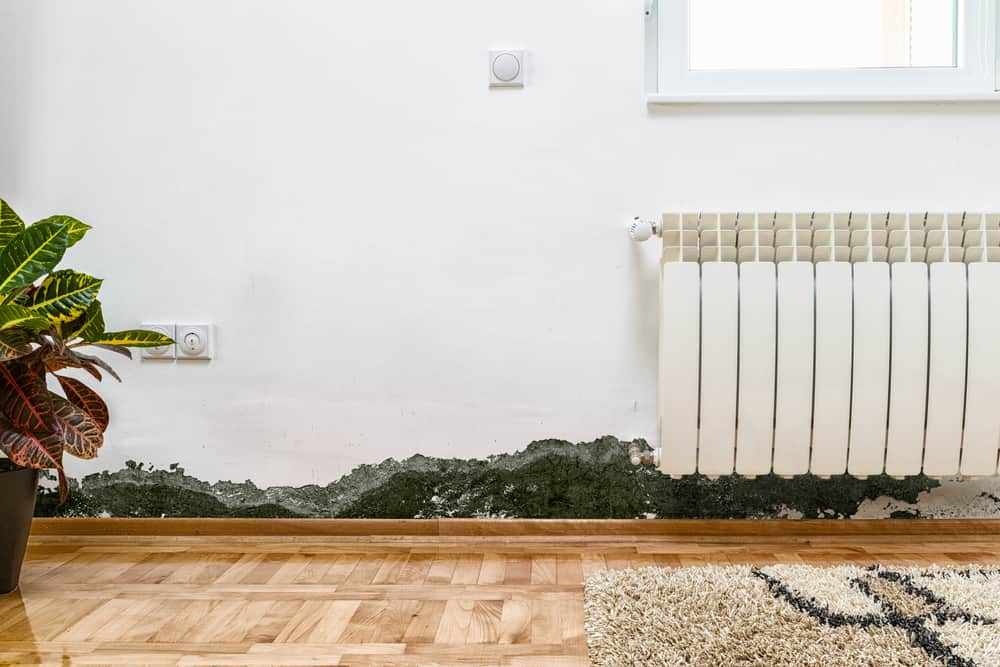
When mold is properly remediated not just wiped down, but fully removed and the moisture source resolved you stop the cycle. No more musty smell creeping up from the basement. No more wondering what’s growing behind that original plaster wall. No more anxiety every time it rains and Hempstead Harbor winds push moisture into a foundation that was built before waterproofing was standard practice.
For Sea Cliff homeowners, that matters on two levels. First, there’s the health of everyone living inside the home especially families with kids in the North Shore Central School District who are spending real time in these spaces. Mold affects air quality in ways you can’t always see, and older homes with limited ventilation tend to hold that air longer. Second, there’s the financial reality. At median home values pushing past $950,000 in this village, a documented mold problem doesn’t just feel bad it can cut your resale value by 20% or more. That’s a six-figure loss on a property you’ve invested everything into protecting.
Getting this done right means you walk away with lab-verified clearance, a home that’s structurally sound, and documentation you can hand to a buyer, an insurance adjuster, or your own peace of mind.
Certified Mold Remediation Companies Sea Cliff, NY
We’ve been serving Nassau County homeowners for nearly three decades. That’s not a number we throw around lightly it means we’ve worked through nor’easters that flooded basements along Hempstead Harbor, remediated attic mold in Victorian homes with original wood lath framing, and navigated the specific challenges that come with a housing stock where more than half the homes in Sea Cliff were built before 1940.
Every technician on our team holds individual IICRC certification not just the company as a whole. That distinction matters when someone is working inside a landmark-eligible home on a Sea Cliff bluff where the architectural details are irreplaceable. We don’t send a certified manager with an uncertified crew. Everyone who walks through your door is qualified to be there.
We also handle the full scope inspection, containment, remediation, and post-remediation reconstruction so you’re not left managing two separate contractors after the mold is gone. One call, one accountable company, from discovery through finished restoration.
Professional Mold Remediation Process Sea Cliff, NY
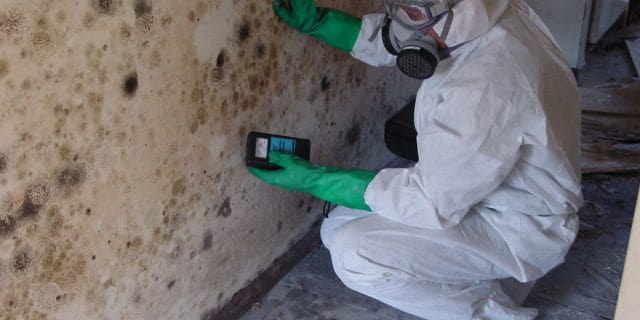
It starts with a 13-point mold inspection that goes well beyond a visual walkthrough. We use infrared imaging to detect moisture and mold growth hidden behind plaster walls and under original flooring the kind of concealed growth that’s especially common in Sea Cliff’s pre-war homes, where wall cavities and crawl spaces haven’t always been opened in decades. Air testing, swab sampling, moisture level measurements, and internal-to-external mold particle comparisons all go into a written report with lab results delivered within two to three business days.
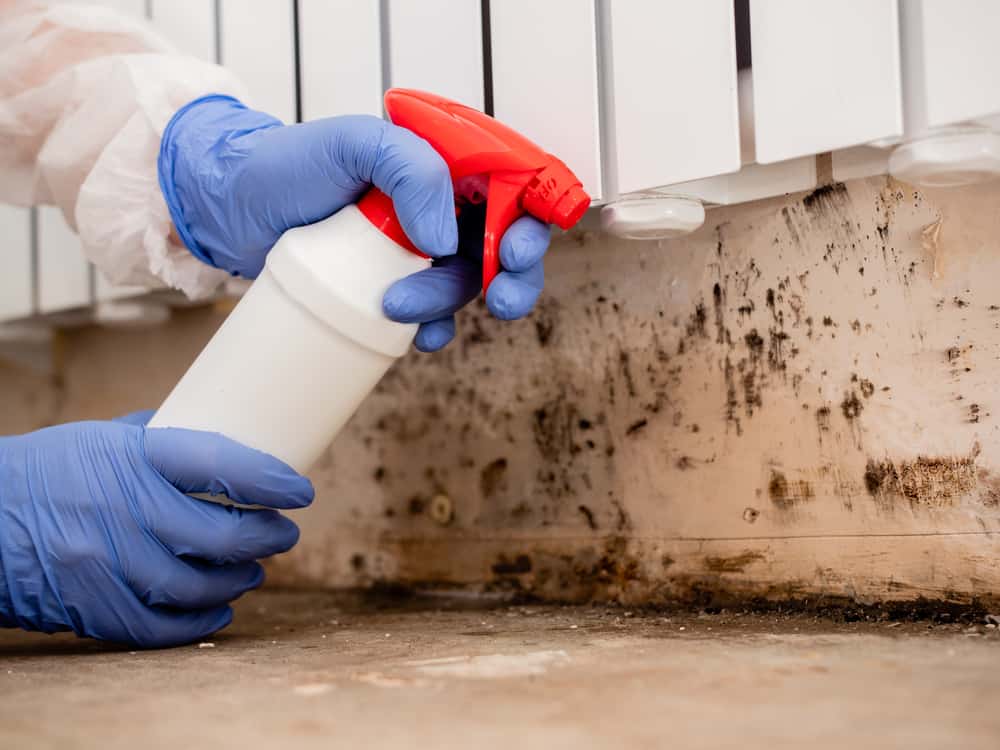
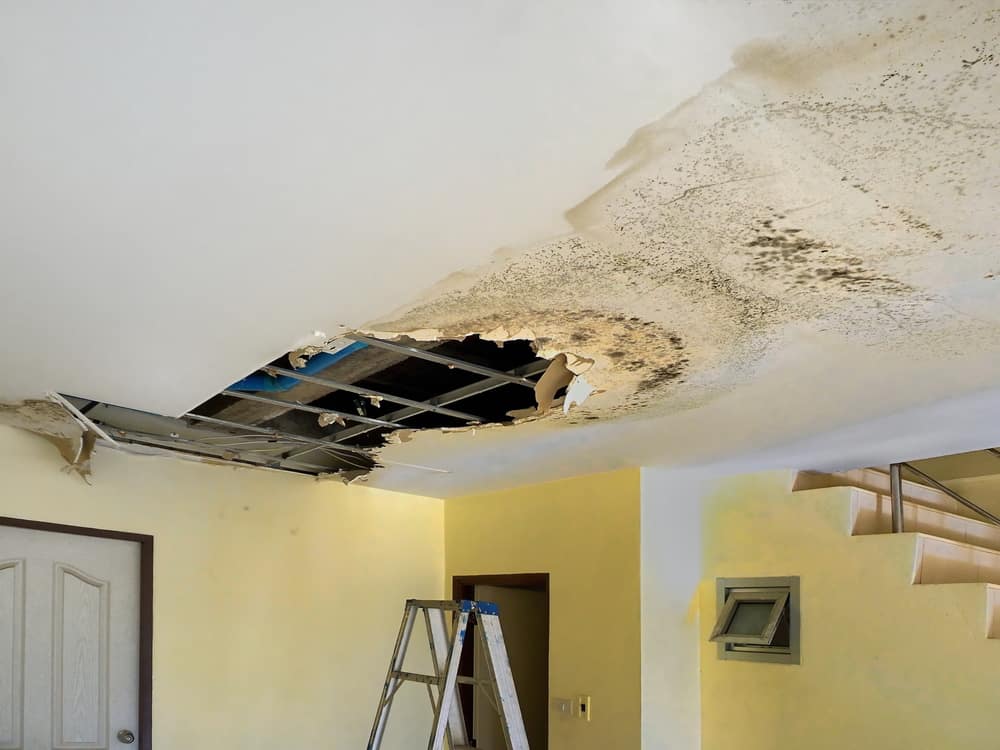
Once the scope is confirmed, we establish containment to prevent spores from spreading to unaffected areas of the home. Remediation follows removing compromised materials, treating affected surfaces, and running air movers and industrial dehumidifiers until readings confirm the environment is clean. We also address the moisture source directly, because mold removed without fixing what caused it will return. In Sea Cliff, that source is often a foundation seepage issue, an aging roof letting in wind-driven rain, or a crawl space that’s been accumulating humidity from the harbor air for years.
After remediation clears, we handle reconstruction of any removed materials walls, flooring, framing so your home is finished, not just treated. And because Sea Cliff’s Village Building Department requires permits for structural work, we navigate that process as part of the job.
Ready to get started?
Black Mold Remediation Services Sea Cliff, NY
Mold remediation in Sea Cliff isn’t one-size-fits-all, and it shouldn’t be. The service you receive is shaped by what your home actually has original plaster, stone foundations, unencapsulated crawl spaces, aging attic ventilation, older plumbing that’s more likely to develop slow leaks behind walls. These are the conditions we find in this village, and our process accounts for all of them.
Every job includes the full inspection protocol, written lab results, containment setup, remediation of affected materials, post-remediation air testing to confirm clearance, and a moisture source assessment so you know what caused it and how to prevent recurrence. If the remediation requires structural removal wall framing, floor decking, ceiling materials we handle reconstruction in-house. You don’t need a separate contractor.
For Sea Cliff homeowners with properties that fall under the Landmarks Preservation Commission or the Board of Architectural Review, we work with awareness of those requirements. Historic architectural features don’t get demolished to make remediation easier they get carefully remediated and restored. We also help with insurance documentation throughout the process, which matters when the mold originated from a storm event or a plumbing failure that may be covered under your homeowners policy. Emergency response is available 24 hours a day, seven days a week because coastal storms on Hempstead Harbor don’t wait for business hours, and mold starts growing within 48 hours of water intrusion.
How do I know if my Sea Cliff home has hidden mold behind the walls?
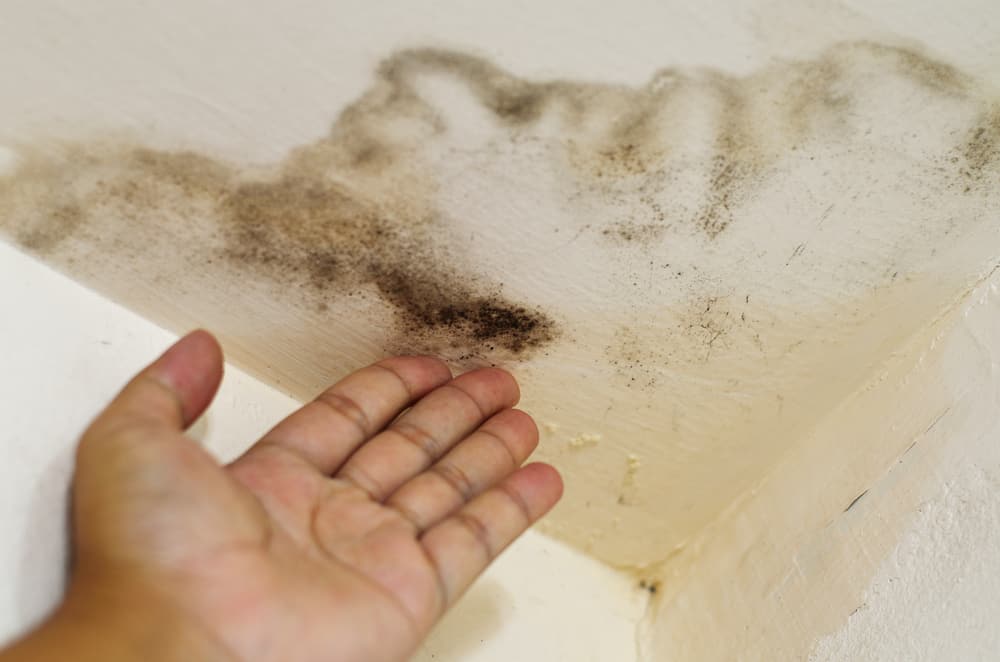
In a village where more than half the homes were built before 1940, hidden mold is genuinely common and genuinely easy to miss. Original plaster-and-lath wall systems absorb and hold moisture differently than modern drywall, and they can harbor mold growth for months before any visible sign appears. The same goes for crawl spaces under Victorian-era homes and attic spaces with limited ventilation.
The most reliable way to find hidden mold is through a professional inspection that uses infrared imaging alongside air testing and moisture measurement. Infrared cameras detect temperature differentials caused by moisture accumulation behind walls and under floors areas that a visual inspection simply cannot reach. If you’re noticing a persistent musty smell, unexplained allergy symptoms, or you’ve had any water intrusion event in the past year a storm, a pipe leak, a roof issue that’s enough reason to get a proper assessment done. Waiting until mold is visible usually means it’s already spread well beyond what you can see.
What does professional mold remediation actually cost in Nassau County?
The national average for mold remediation runs around $2,300, but the real number for your home depends on the scope how much area is affected, what materials need to be removed, and whether reconstruction is required afterward. Crawl space remediation, attic remediation, and whole-home remediation each carry different price ranges, and older homes like those in Sea Cliff sometimes reveal additional affected areas once walls or flooring are opened up.
What’s worth keeping in perspective is the cost of not addressing it. In Sea Cliff, where median home values sit above $950,000, a documented mold problem can reduce your property’s resale value by 20% to 37% that’s $190,000 to $350,000 in potential loss on a home at median value. Buyers walk away from mold-positive properties, and disclosure requirements in New York mean you can’t simply hope it doesn’t come up. The remediation cost, whatever it lands at, is almost always a fraction of what an untreated mold problem costs you at the closing table.
Can mold remediation be done without damaging original woodwork or historic materials?
Yes and in Sea Cliff, this question comes up often. The village has more than 50 designated landmark buildings and an active Landmarks Preservation Commission, and even homes that aren’t formally landmarked frequently contain original architectural details decorative woodwork, plaster walls, historic windows, ornate siding that can’t simply be ripped out and replaced without losing what makes the home valuable.
Professional remediation in a historic home is different from remediation in a post-war ranch. It requires a more measured approach to containment and material removal, a clear understanding of what can be treated in place versus what needs to come out, and the ability to reconstruct or restore affected areas in a way that matches the original character of the home. That’s not something every remediation company on Long Island is equipped to handle. It’s worth asking directly whether a company has experience working in pre-war and Victorian-era homes before you let anyone start pulling walls apart.
Does homeowners insurance cover mold remediation in New York?
It depends on the cause. In New York, homeowners insurance typically covers mold remediation when the mold resulted directly from a covered event a burst pipe, storm-related water intrusion, or a roof leak caused by a named storm. What most policies don’t cover is mold that developed from long-term moisture issues, deferred maintenance, or gradual seepage that wasn’t reported promptly.
For Sea Cliff homeowners, this distinction is important because many mold cases in this village trace back to coastal storm events nor’easters pushing water through aging foundations, wind-driven rain getting into attic spaces which are often covered under standard policies. The key is documentation. Having a written inspection report with lab results, photographs, and a clear timeline connecting the mold to the triggering event gives your insurance company what they need to process the claim. We provide that documentation as part of every inspection, and we can help you understand what’s likely to be covered before you file.
How long does mold remediation take in an older Sea Cliff home?
Most contained mold remediation jobs a single room, a crawl space, or a localized basement area are completed within one to three days. Larger or more complex situations, which are more common in Sea Cliff’s older housing stock, can run longer depending on how much material needs to come out and how extensive the moisture intrusion has been.
The part that adds time in older homes is the discovery phase. Once walls or flooring are opened, it’s not unusual to find that mold has spread further than the initial inspection suggested especially in homes with original plaster, uninsulated crawl spaces, or attic spaces that haven’t been properly ventilated for decades. We factor this into our scope of work upfront as much as possible, but we’re also transparent with you when conditions change once work begins. Post-remediation air testing adds another step before reconstruction starts, but it’s the only way to confirm the environment is actually clean not just visually clear.
What's the difference between mold remediation and mold removal?
Mold removal typically refers to physically cleaning or removing visible mold from a surface. Mold remediation is the complete process identifying the source of moisture, containing the affected area, removing compromised materials, treating surfaces, running air filtration, and verifying through post-remediation testing that the environment meets clearance standards.
In a home like most of what you find in Sea Cliff built in the 1920s, 1930s, or earlier, with plaster walls, older foundations, and limited natural ventilation surface removal alone almost always fails. The mold comes back because the moisture that caused it was never addressed, and the spores embedded in porous original materials weren’t fully eliminated. It’s also worth knowing that under New York State’s 2016 mold law, the company that performs your mold assessment cannot be the same company that performs the remediation on the same property. This is a consumer protection law designed to prevent inflated assessments, and it’s one reason why working with a company that understands the regulatory landscape in New York matters as much as finding one with the right certifications.
Useful Links
Other Services we provide in Sea Cliff